Practical field notes
Enhancing Your Outdoor Space with Water Features
Explore creative ideas and practical tips for incorporating water features into your landscaping to elevate your outdoor spaces.
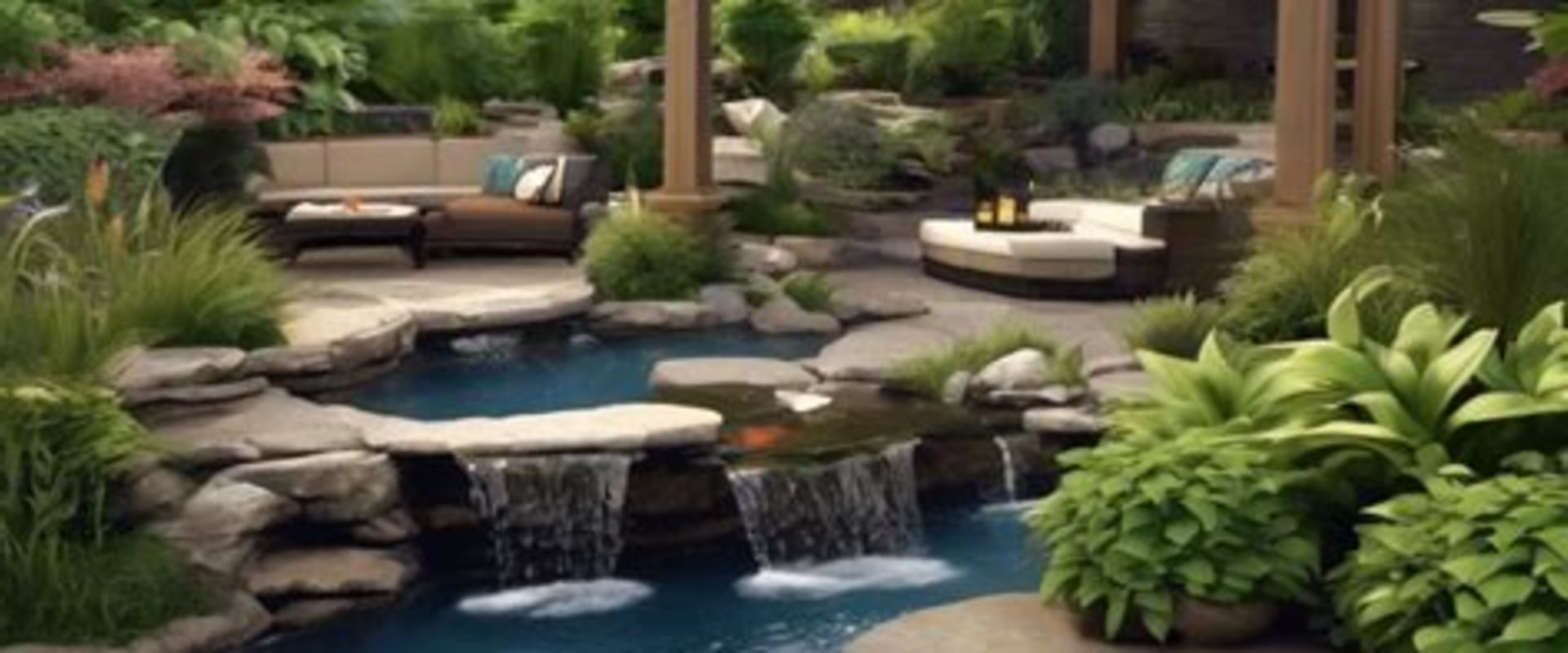
Transforming your outdoor space into a serene oasis is easier than you might think, especially with the addition of water featureswater features. These captivating elements not only bring a sense of tranquility but also serve as stunning focal points that elevate the aesthetic appeal of any backyard. Imagine the soothing sound of water gently cascading over rocks or a shimmering pond reflecting the sunlight, creating a perfect backdrop for relaxation and entertainment. As homeowners increasingly seek ways to enhance their outdoor living areas, water features have become a popular choice. From elegant fountains that dance with the breeze to charming birdbaths that attract local wildlife, there are countless options to suit every style and budget.
In this article, we will explore various types of water features, their benefits, and tips on how to seamlessly integrate them into your landscaping plans. Whether you have a sprawling garden or a cozy patio, incorporating water features can transform your space into an inviting retreat. Join us as we delve into the world of water features and discover how they can enhance not only the beauty of your yard but also your overall outdoor experience.
Water features
have an undeniable allure, bringing a sense of tranquility to outdoor spaces. Their ability to enhance the aesthetic appeal of gardens, produce soothing sounds, and attract wildlife makes them a popular choice for homeowners looking to elevate their landscaping. There are various types of water features available, each with unique characteristics and benefits that cater to different tastes and garden styles. One of the most common types is the fountain, which can serve as a stunning focal point in any garden.Whether wall-mounted or freestanding, fountains come in various designs and sizes, making them suitable for both small and large spaces. A small fountain, for example, can be an excellent choice for compact gardens, providing visual interest while being easy to maintain. Its gentle trickling sound creates a calming atmosphere, perfect for relaxation. In contrast, larger fountains can become dramatic centerpieces, encouraging gatherings and enhancing the overall ambiance. Ponds are another popular option when it comes to water features.
They can be designed as naturalistic or formal installations, offering flexibility in style. Ponds can support a variety of aquatic plants and fish, such as koi, adding life and color to your landscape. Additionally, they provide a habitat for beneficial wildlife like frogs and dragonflies. However, ponds require more maintenance than fountains; regular cleaning and water quality management are essential to ensure a healthy ecosystem. Another captivating choice is the waterfall, which can be integrated into a pond or stand alone as part of a rocky landscape.
The sight and sound of cascading water create a serene environment that many find appealing. Waterfalls can vary greatly in size and style—from small, gentle streams to grand installations that cascade down boulders—allowing homeowners to choose one that fits their vision and space. When considering the design of your water features, placement is crucial. A feature should be positioned where it can be easily seen and appreciated from both inside the home and from various outdoor vantage points. Scale is also important; a large fountain may overwhelm a small garden, while a tiny feature could get lost in an expansive yard.
Integrating the water feature with existing landscaping enhances its appearance and ensures it feels like a natural part of the environment. Surrounding it with appropriate plants not only enhances visual appeal but also supports local ecosystems by attracting beneficial insects and wildlife. Maintenance is key to ensuring the longevity of water features. For fountains, regular cleaning to remove debris and algae is vital for maintaining water clarity and appearance. Additionally, keeping the pump clean ensures efficient operation.
For ponds and waterfalls, monitoring water levels and quality is essential; regular testing will help maintain a healthy balance of pH and nutrients. Installing a filtration system can greatly reduce maintenance efforts by keeping water clean and clear. For those looking for inspiration, numerous successful installations illustrate the beauty of both DIY and professional projects. DIY enthusiasts might find joy in constructing their own small pond using pre-formed liners or even repurposed materials like old bathtubs or barrels. On the other hand, hiring a professional landscaper can result in sophisticated designs that incorporate multiple water features, integrating them seamlessly with hardscaping elements like pathways or seating areas. While installing water features, it's important to consider environmental impacts such as water conservation.
Sustainable practices can be incorporated into your design; for instance, creating rain gardens or natural ponds that collect runoff not only beautifies the space but also helps manage stormwater efficiently. Using native plants around water features minimizes water use while supporting local wildlife. Selecting the right plants is essential for enhancing the visual appeal around your water features. Incorporating native aquatic plants like water lilies or cattails provides habitat for wildlife while adding beauty to your landscape. Additionally, plants such as ferns or hostas work well in moist areas surrounding ponds or fountains, creating lush greenery that complements the soothing sound of flowing water. In summary, water features serve as more than just decorative elements in landscaping; they enrich outdoor spaces by providing serenity, attracting wildlife, and enhancing aesthetic appeal.
By carefully considering design elements such as placement and scale, maintaining these features properly, incorporating sustainable practices, and thoughtfully selecting surrounding plants, homeowners can create stunning outdoor retreats that invite relaxation and enjoyment year-round.
Design Considerations
When designing a water feature, several key factors must be considered to ensure that it enhances the overall appeal of your outdoor space. One of the most important aspects is placement. The location of your water feature can significantly impact both its functionality and aesthetic value. Ideally, it should be positioned where it can be easily seen and enjoyed from various vantage points in your garden.Consider placing it near seating areas or pathways to maximize its visibility and accessibility. Another critical factor is scale relative to space. The size of your water feature should complement the surrounding landscape. A small fountain might get lost in a large garden, while an oversized waterfall could overwhelm a compact backyard. Assess the proportions of your yard and choose a water feature that strikes a balance between being a focal point and harmonizing with the existing elements of your landscape. Lastly, achieving harmony with existing landscaping is essential for a cohesive design.
Your water feature should blend seamlessly with the style and materials of your outdoor space. For instance, if your garden features natural stone pathways, consider incorporating a pond or waterfall made from similar materials. Additionally, think about the surrounding plants and flowers; choosing species that thrive in proximity to water will enhance the visual appeal and create a more inviting atmosphere.
Eco-Friendly Options
When considering water features for your outdoor space, it's essential to explore sustainable landscaping practices that not only enhance beauty but also promote environmental health. One of the most effective ways to achieve this is by incorporating native plants around your water features.Native plants are well-adapted to your local climate and soil conditions, requiring less water and maintenance compared to non-native species. Additionally, they provide habitat and food for local wildlife, creating a thriving ecosystem in your garden. Another vital aspect of eco-friendly water features is water conservation. Opting for recirculating systems in ponds and fountains can significantly reduce water waste. These systems reuse the same water continuously, minimizing the need for additional water sources.
Rainwater harvesting systems can also be integrated to collect and store rainwater, which can then be used to fill your water features. This approach not only conserves precious resources but also helps manage stormwater runoff, reducing the risk of flooding. Moreover, consider installing energy-efficient pumps and solar-powered lights to minimize energy consumption associated with your water features. By choosing eco-friendly materials and technologies, you can create a beautiful outdoor space that aligns with sustainable practices, ensuring that your landscape remains vibrant and environmentally responsible for years to come.
Types of Water Features
When it comes to enhancing your outdoor space, incorporating water features can make a significant difference.Fountains
, ponds, waterfalls, and bubbling rocks are just a few options that can transform your garden into a serene oasis.Fountains
are popular for their ability to create a focal point in any yard.They come in various styles, from modern to classical, and the sound of flowing water can mask unwanted noise while providing a calming atmosphere. Whether wall-mounted or free-standing, fountains can be customized to fit any landscape design.
Ponds
offer a unique way to introduce wildlife into your garden. They can serve as habitats for fish and plants, enhancing biodiversity. Additionally, ponds can be designed with surrounding seating areas for relaxation or contemplation, making them functional as well as beautiful.Waterfalls
create a dynamic visual and auditory experience.The cascading water not only adds movement to the landscape but also provides soothing sounds that promote relaxation. Waterfalls can be integrated into ponds or stand alone as stunning features that add height and drama to your garden.
Bubbling rocks
are another delightful option, combining natural aesthetics with the gentle sound of water bubbling over stone. These features are perfect for smaller spaces and can fit seamlessly into rock gardens or flower beds, creating an inviting atmosphere without overwhelming the landscape. Each of these water features offers distinct aesthetic and functional benefits, allowing you to choose the perfect option to enhance your outdoor experience.Inspiration from Successful Installations
When considering water features for your outdoor space, it can be incredibly inspiring to look at successful installations that have beautifully integrated these elements into residential landscapes. One stunning example is a backyard in the Pacific Northwest, where a sleek modern fountain serves as the centerpiece of the garden.Surrounded by native plants and strategically placed seating, this water feature not only provides visual appeal but also creates a calming atmosphere, encouraging relaxation and reflection. Another remarkable case is a suburban home that features a naturalistic pond complete with a small waterfall. This installation draws in local wildlife, making it a vibrant ecosystem that delights the homeowners and their guests. The use of native flora around the pond enhances its authenticity and blends seamlessly with the surrounding landscape, showcasing how water features can harmonize with nature. In contrast, a traditional estate showcases a grand waterfall cascading into an ornamental pond, surrounded by meticulously curated gardens. This dramatic installation not only serves as a focal point but also enhances the soundscape of the yard, providing soothing water sounds that drown out nearby noise.
Such examples illustrate the versatility of water features in transforming outdoor spaces into serene retreats. For those looking for inspiration, exploring various case studies can spark creativity and help visualize how different styles of water features can fit within your own landscape design. Whether you prefer a minimalist approach or an elaborate design, integrating a water feature can elevate your outdoor experience.
Maintenance Tips
To ensure that your water features remain a stunning centerpiece in your outdoor space, regular maintenance is essential. Keeping them clean and functioning optimally not only enhances their beauty but also contributes to the overall health of your garden ecosystem. First and foremost, consider installing a reliable filtration system. This is crucial for maintaining clear and healthy water.A good filtration system helps remove debris, algae, and other contaminants that can cloud the water and disrupt the natural balance. Look for filters that are suitable for the size of your water feature, as this will ensure efficient operation. Next, make it a habit to regularly check and clean your water feature. Depending on its size and the surrounding environment, you may need to perform maintenance weekly or monthly. Remove any leaves, dirt, or debris that can accumulate in or around the water.
For ponds or larger features, use a net to scoop out larger items and a sponge or cloth for smaller particles. Seasonal care is also important. In the fall, be sure to clean out any fallen leaves before they decompose in the water, which can lead to poor water quality. During winter months, if you live in an area with freezing temperatures, consider draining your water features or adding a heater to prevent ice formation. This will protect your investment and ensure that it is ready for use when warmer weather returns. Finally, keep an eye on the plants and wildlife that may inhabit your water features.
Regularly trim aquatic plants to prevent overgrowth and monitor fish health if applicable. Healthy plants not only enhance the aesthetics but also contribute to the ecological balance of your feature. By following these practical maintenance tips, you can enjoy the serenity and beauty of your water features all year round while ensuring they stay in excellent condition. In conclusion, incorporating water features into your landscaping can truly transform your outdoor space into a serene retreat. The soothing sounds of flowing water and the visual appeal of ponds, fountains, and waterfalls add a unique charm that enhances any garden. By envisioning how these elements can fit into your landscape, you open the door to endless possibilities for relaxation and enjoyment. Whether you are a DIY enthusiast eager to create your own oasis or someone considering the expertise of a professional, now is the time to take action. Don’t hesitate to explore the various options available and start planning your dream outdoor space with water features that reflect your personal style and enhance your surroundings.


