Practical field notes
Exploring the Tranquility of Japanese Zen Gardens
Learn how to create your own Japanese Zen garden with landscaping tips, plant selection, and eco-friendly practices.
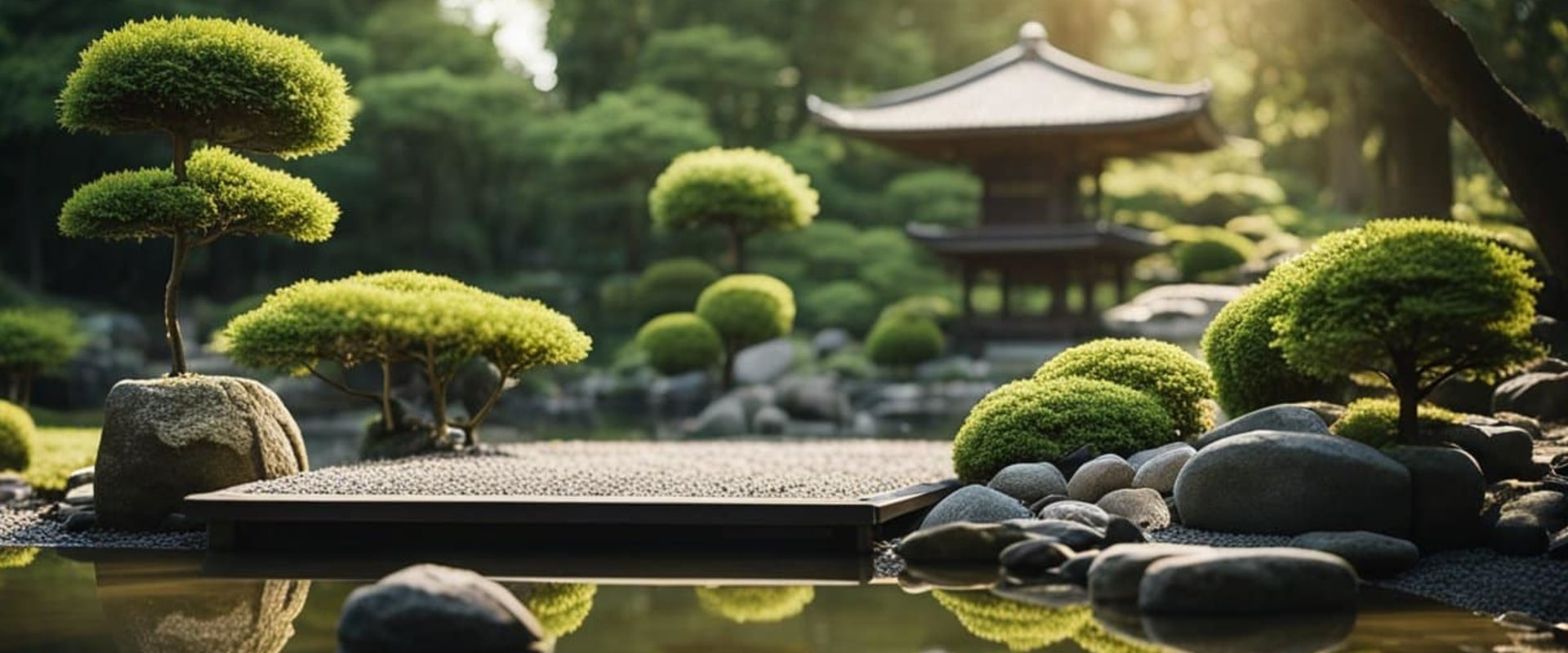
In the fast-paced world we inhabit today, where noise and chaos often drown out moments of peace, Japanese Zen gardens stand as tranquil sanctuaries that invite reflection and serenity. These meticulously designed landscapes are more than mere visual spectacles; they embody a profound philosophy that harmonizes nature with the human spirit. Each element within a Zen garden serves a purpose, thoughtfully arranged to create an experience that transcends the ordinary. As you step into one of these peaceful retreats, you are greeted by the gentle rustle of gravel, the scent of moss, and the sight of carefully placed stones, all working together to evoke a sense of calm and introspection. Rooted in the traditions of Zen Buddhism, Japanese Zen gardens encourage mindfulness and meditation, offering a space where one can escape the demands of daily life.
The essence of these gardens lies not only in their aesthetic appeal but also in their ability to foster a deeper connection with nature and oneself. From the artful arrangement of rocks that symbolize mountains to the raked gravel that represents rippling water, every detail is imbued with meaning, inviting visitors to pause, reflect, and find tranquility. In this article, we will embark on a journey to explore the captivating world of Japanese Zen gardens, uncovering their historical significance, design principles, and the spiritual practices they inspire. Whether you are an aspiring landscape designer or simply a lover of serene spaces, understanding these gardens will enhance your appreciation for their beauty and purpose. Join us as we delve into the art of creating harmony through landscape design, revealing how Zen gardens can transform not only our outdoor spaces but also our inner lives. Japanese Zen gardens, also known as karesansui, are a harmonious blend of natural elements designed to foster peace and contemplation.
The fundamental elements of a Japanese Zen garden include rocks, gravel, water features, and carefully selected plants, all contributing to the garden's calming aesthetic and promoting mindfulness. Rocks serve as one of the most critical components in a Zen garden. They symbolize mountains and islands, representing stability and permanence. When strategically placed, rocks can create focal points that draw the eye and encourage meditation. The arrangement of rocks can also mimic natural landscapes, inviting a sense of serenity into the space. Gravel is another vital element in a Japanese Zen garden.
It is often raked into intricate patterns to represent rippling water, symbolizing the flow of life. The act of raking gravel can be meditative in itself, allowing individuals to engage in a mindful practice that calms the mind and encourages reflection. For DIY enthusiasts, selecting fine, white gravel can enhance the visual appeal while providing a smooth surface for raking. Water features, though not always present in every Zen garden, add an essential layer of tranquility. Whether it's a small pond or a simple basin, water symbolizes purity and renewal.
Incorporating a water element can attract wildlife, such as birds and butterflies, creating a dynamic environment that fosters life and connection with nature. Plants in a Japanese Zen garden are chosen with care to maintain simplicity and elegance. Native and low-maintenance plants are ideal for creating a serene atmosphere without overwhelming the senses. Popular choices include moss, which symbolizes tranquility; bamboo for its resilience; and evergreens that provide structure throughout the seasons. Each plant should be selected for its ability to thrive in the specific climate and conditions of the garden. For those looking to create a simple Zen garden at home, practical tips include starting small and gradually expanding as you become more comfortable with the design principles.
Begin by selecting a quiet area of your yard or even a small balcony space. Lay down landscaping fabric to suppress weeds and cover it with gravel for your base layer. Choose several well-placed rocks to establish focal points and begin raking the gravel into calming patterns. Incorporating hardscaping features such as pathways and seating areas can significantly enhance the tranquility of the garden. Pathways made from natural stone or wood provide structure while guiding visitors through the space. Begin by selecting a quiet area of your yard or even a small balcony space. Lay down landscaping fabric to suppress weeds and cover it with gravel for your base layer. Choose several well-placed rocks to establish focal points and begin raking the gravel into calming patterns. Incorporating hardscaping features such as pathways and seating areas can significantly enhance the tranquility of the garden. Pathways made from natural stone or wood provide structure while guiding visitors through the space.
Seating areas should be simple yet comfortable, allowing for moments of rest and reflection amidst the beauty of the garden. A bench or a few strategically placed stones can encourage quiet moments of contemplation. Eco-friendly practices are essential when designing a Zen garden. Using organic materials ensures that your garden supports local ecosystems rather than harming them. Implementing sustainable landscaping methods, such as rainwater harvesting or planting drought-resistant species, promotes environmental stewardship while maintaining the garden's aesthetic appeal. For readers interested in larger projects or hiring professionals to create their Zen gardens, it is beneficial to seek out landscapers who specialize in sustainable designs.
Professionals can offer insights into larger-scale implementations of Zen garden principles while ensuring that environmental considerations are integrated into every aspect of the design. In conclusion, Japanese Zen gardens exemplify tranquility through their thoughtful design and natural elements. By understanding the symbolism behind each component and incorporating practical tips for DIY enthusiasts, anyone can create their own peaceful retreat at home.
Professional Insights for Larger Projects
Designing expansive Japanese Zen gardens requires a careful balance of aesthetics, functionality, and the principles of Zen philosophy. Landscape professionals emphasize the importance of creating spaces that evoke tranquility and promote mindfulness. When planning larger projects, it is essential to consider the scale and layout of the garden, ensuring that each element contributes to a cohesive and harmonious environment. Experts recommend starting with a thorough site analysis.Understanding the topography, soil quality, and existing vegetation can greatly influence the design process. Incorporating natural features such as rocks, water elements, and plants should be done thoughtfully to maintain the garden's serene atmosphere. For larger projects, professionals often advise using a limited palette of materials to avoid overwhelming the senses. Moreover, when selecting plants for expansive Zen gardens, it is crucial to choose species that embody tranquility. Bamboo, moss, and flowering trees are popular choices due to their calming effects and aesthetic appeal.
Landscape architects suggest creating focal points within the garden, such as a meditation area or a koi pond, to invite contemplation and relaxation. Another key insight from landscape professionals is to incorporate pathways that guide visitors through the garden. These pathways should be designed with intention, allowing for exploration while also encouraging moments of stillness. The use of gravel or stepping stones can create a tactile experience that connects individuals with nature. Finally, lighting plays an important role in larger Japanese Zen gardens. Landscape designers recommend using soft, ambient lighting to enhance the garden's beauty during twilight hours.
This not only highlights key features but also fosters a sense of peace and serenity.
Incorporating Hardscaping Features
In the serene world of Japanese Zen gardens, hardscaping features play a crucial role in enhancing the overall tranquility and functionality of the space. By thoughtfully integrating pathways, patios, and seating areas, you can create a harmonious environment that encourages mindfulness and relaxation.Pathways
serve as the veins of a Zen garden, guiding visitors through the landscape while inviting them to engage with nature. When designing pathways, consider using natural materials such as gravel, stones, or wood to maintain an organic feel. Curved paths often evoke a sense of wandering and exploration, allowing for a more meditative experience as one strolls through the garden. In addition to pathways, patios can provide a tranquil area for contemplation and social interaction.A small patio made from natural stones or wooden decking can serve as a focal point within the garden, offering a space to sit and reflect. Position the patio strategically to overlook specific features like a koi pond or a meticulously raked gravel area, enhancing the visual appeal and creating a serene spot for relaxation. To complement both pathways and patios, incorporating seating areas is essential for creating inviting spaces where individuals can pause and appreciate their surroundings. Whether it’s a simple bench crafted from natural materials or a Japanese-style stone seat, these elements should blend seamlessly into the garden’s design. Position seating areas in shaded spots or near fragrant plants to elevate the sensory experience and encourage visitors to spend time in quiet reflection. By carefully planning these hardscaping features, you can enhance the calming aesthetic of your Japanese Zen garden while promoting mindfulness through intentional design.
These elements not only contribute to the visual structure of the space but also invite deeper engagement with nature and self.
Core Elements of Japanese Zen Gardens
Japanese Zen gardens, also known as karesansui, are meticulously designed landscapes that embody simplicity and tranquility. Each element within these gardens serves a specific purpose, contributing to the overall aesthetic and spiritual experience. Understanding the core components of these gardens can help you appreciate their beauty and incorporate similar elements into your own outdoor spaces.Rocks
are fundamental in Zen gardens, symbolizing mountains and islands. They create a sense of permanence and stability, serving as focal points within the garden.Carefully selected and placed, rocks represent natural formations, inviting contemplation and reflection.
Gravel
or sand is another essential feature, often raked to create patterns that mimic rippling water or waves. This practice not only enhances the visual appeal but also encourages mindfulness as one engages in the meditative act of raking. The texture and movement of the gravel evoke a sense of calm and order.Water features
, while sometimes absent in traditional Zen gardens, can be represented symbolically through carefully arranged stones or the use of reflective surfaces. Water symbolizes purity and renewal, playing a crucial role in promoting a peaceful atmosphere.When included, ponds or streams offer soothing sounds that enhance the sensory experience of the garden.
Plants
, though often used sparingly, add life and color to Zen gardens. Common choices include moss, dwarf trees, and bamboo, which contribute to the garden's serene environment. Each plant is thoughtfully chosen for its symbolic meaning and seasonal changes, reminding visitors of the impermanence of life. By understanding these core elements—rocks, gravel, water features, and plants—you can appreciate the thoughtful design of Japanese Zen gardens. Incorporating these components into your own outdoor space can create a tranquil retreat that promotes mindfulness and serenity.Eco-Friendly Landscaping Practices
Creating and maintaining a Japanese Zen garden can be a rewarding endeavor that not only enhances your outdoor space but also aligns with sustainable practices.By focusing on eco-friendly landscaping, you can ensure that your garden remains in harmony with nature while promoting tranquility. One of the primary sustainable practices in Zen garden design is the use of native plants. Native species are well-adapted to the local climate and soil conditions, which means they require less water and fewer chemical inputs to thrive. Incorporating these plants into your garden can enhance biodiversity, providing habitat for local wildlife while minimizing the need for fertilizers and pesticides. Another important aspect of eco-friendly landscaping is the use of organic materials. When selecting gravel or sand for your Zen garden, consider sourcing materials that are sustainably harvested or recycled.
Additionally, using natural stone for pathways or borders can help reduce the carbon footprint associated with transportation, especially if sourced locally. Water conservation is also crucial in maintaining a sustainable Japanese Zen garden. Implementing a rainwater harvesting system can help collect and store rainwater for irrigation purposes. This practice not only conserves water but also reduces runoff, which can lead to erosion and pollution in nearby waterways. Lastly, embracing permaculture principles can significantly enhance the sustainability of your Zen garden. Designing your garden to include companion planting and crop rotation can create a self-sustaining ecosystem that naturally prevents pests and diseases, reducing the need for chemical interventions.
By cultivating a variety of plants that support each other, you can create a dynamic and resilient garden environment. Incorporating these eco-friendly landscaping practices into your Japanese Zen garden will not only contribute to its aesthetic appeal but also foster a deeper connection with nature, ultimately enhancing the mindfulness and tranquility that these gardens are renowned for.
Choosing Plants for Serenity
When designing a Japanese Zen garden, the choice of plants plays a crucial role in creating a serene and tranquil atmosphere. The right vegetation not only enhances the aesthetic appeal but also contributes to the overall sense of peace that these gardens are known for. Here are some plant varieties that thrive in Zen gardens and promote tranquility:1.Moss: Moss is a quintessential element of Japanese Zen gardens. Its lush green carpet symbolizes harmony and simplicity, making it an ideal choice for ground cover.Moss requires minimal maintenance and thrives in shaded areas, providing a soft, inviting texture to the landscape.
2.Bamboo:
Bamboo is celebrated for its elegance and strength. It can be used as a privacy screen or decorative feature, adding height and a sense of tranquility to the garden. The gentle rustling of bamboo leaves in the wind creates a soothing sound that enhances the peaceful ambiance.3.Japanese Maple:
Known for its stunning foliage, the Japanese maple brings vibrant colors to the garden throughout the seasons. Its delicate branches and leaves create a graceful silhouette, inviting contemplation and reflection.4.Azaleas:
Azaleas are popular flowering shrubs that provide bursts of color while maintaining a calm presence.Their low-growing nature makes them perfect for borders or as focal points, complementing the minimalist design typically found in Zen gardens.
5.Pine Trees:
Dwarf varieties of pine trees are often used in Japanese Zen gardens for their resilience and sculptural quality. These trees symbolize longevity and strength, serving as timeless anchors within the landscape.6.Ferns:
Ferns add lushness and texture to Zen gardens, thriving in shaded areas where sunlight is limited. Their delicate fronds bring a sense of softness, enhancing the calming environment. By thoughtfully selecting these plants, you can create a peaceful sanctuary that embodies the essence of Japanese Zen gardens. Each plant serves not only as an aesthetic element but also as a reminder of nature's beauty and tranquility, encouraging mindfulness and reflection in your outdoor space.Designing Your Own Zen Garden
Creating your own Zen garden can be a rewarding experience that brings tranquility and mindfulness into your outdoor space.Follow these step-by-step instructions to design a small-scale Zen garden that embodies the essence of Japanese aesthetics.
Step 1: Choose the Location
Select a quiet area in your yard or on your patio where you can escape from the hustle and bustle of everyday life. Ideally, this space should receive natural light but also have some shade for comfort.Step 2: Define the Boundaries
Step 3: Prepare the Base
This will create a smooth surface that represents water in traditional Zen gardens.
Step 4: Add Rocks and Stones
Step 5: Incorporate Raked Patterns
These patterns can represent rippling water and should be calming and simple. Experiment with different designs until you find one that resonates with you.
Step 6: Add Plants Wisely
Place plants at the edges or in clusters to maintain open space.
Step 7: Include Water Features (Optional)
Step 8: Personal Touches
By examining the core elements that define these gardens, we have highlighted how they serve as a sanctuary for mindfulness and tranquility. Through thoughtful design principles, such as choosing plants for serenity and incorporating hardscaping features, readers can create their own personal havens that reflect these tranquil ideals. Furthermore, we discussed the importance of eco-friendly landscaping practices and provided insights from professionals regarding larger projects, ensuring that your journey into creating a Zen garden is both sustainable and fulfilling. We encourage you to embrace these principles and transform your outdoor spaces into serene retreats that promote a peaceful living environment.


