Practical field notes
Transform Your Garden with Mulching Techniques
Explore how mulching can enhance your outdoor spaces, improve plant health, and simplify garden maintenance.
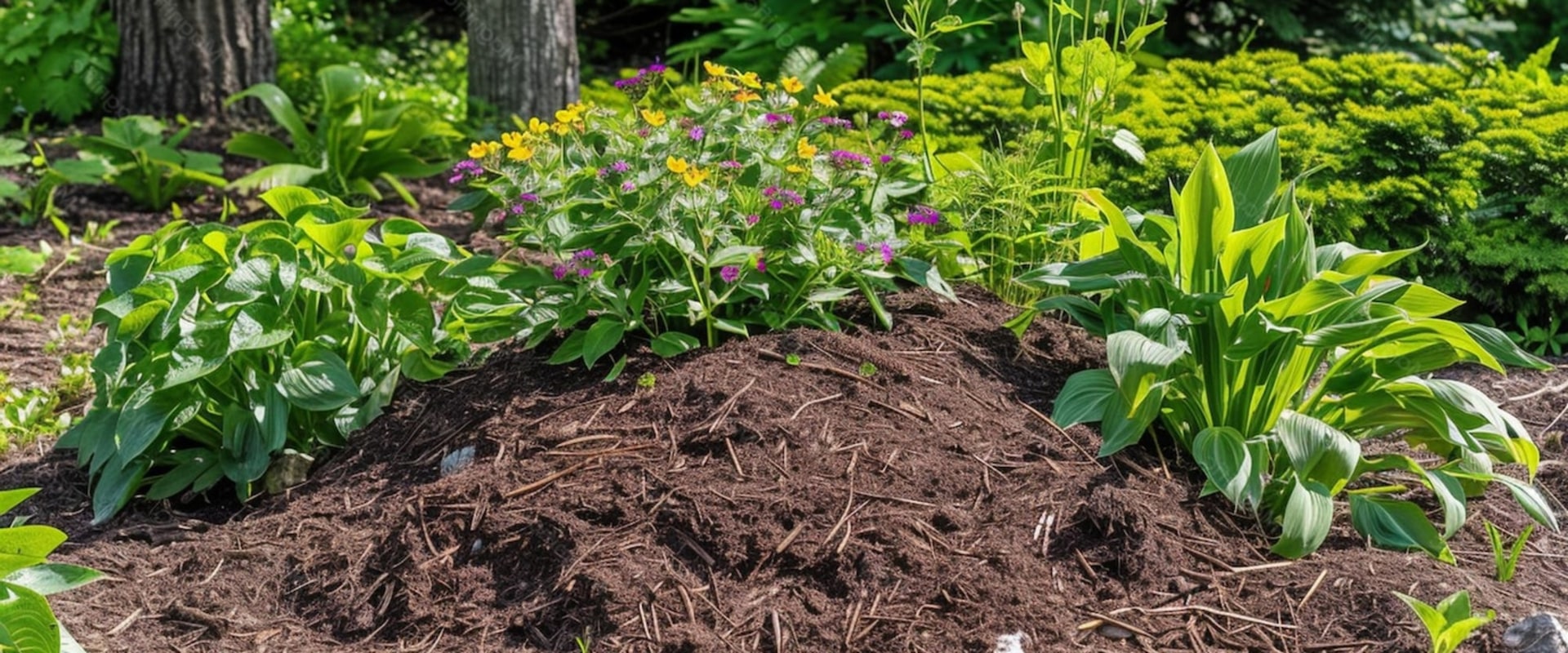
Are you looking to elevate your garden's health and aesthetics? Mulching benefits and techniques could be the game-changer you need! Whether you are a seasoned gardener or just starting out, understanding the power of mulching can transform the way you approach your outdoor space. Not only does mulching enhance the visual appeal of your garden, but it also plays a crucial role in soil health, moisture retention, and weed control. In this article, we will delve into the various mulching techniques that can make your gardening efforts more effective and sustainable. From organic materials like wood chips and straw to synthetic options, there’s a perfect mulch for every garden type. Join us as we explore the extensive benefits of mulching, share expert tips, and guide you in selecting the right materials for your specific needs. Prepare to unlock the secrets of a flourishing garden that not only looks good but also thrives with resilience! Let’s embark on this journey together and discover how simple yet impactful weeding techniquesweeding techniques can lead to a vibrant and healthy garden.
Mulching benefits and techniques
are vital aspects of effective garden management that every gardener should consider. One of the primary benefits of mulching is moisture retention.By covering the soil with mulch, you create a barrier that reduces evaporation, helping to maintain soil moisture levels. This is especially beneficial during hot summer months when plants require consistent hydration to thrive. Additionally, mulch acts as an insulating layer, helping to keep the soil temperature stable, which can be crucial for plant root health. Another significant advantage of mulching is weed suppression. Weeds compete with your plants for nutrients, water, and light, often hindering their growth.
A thick layer of mulch can smother existing weeds and prevent new ones from sprouting by blocking sunlight. This not only helps your plants flourish but also reduces the time and effort you need to spend on weeding.
Temperature regulation
is another critical benefit of mulching. Mulch keeps the soil cooler in hot weather and warmer during colder spells, creating a more favorable environment for plant roots. This temperature moderation can be particularly advantageous for young plants that are more susceptible to extreme weather conditions. Moreover, mulching contributes to soil enrichment.Organic mulches, such as wood chips, straw, or grass clippings, break down over time and add valuable nutrients back into the soil. This natural process improves soil structure and promotes healthy microbial activity, which further enhances plant growth. When considering types of mulch, there are two main categories: organic and inorganic. Organic mulches include materials like shredded bark, leaves, and composted manure. These types of mulch not only provide the aforementioned benefits but also improve soil quality as they decompose.
On the other hand, inorganic mulches include materials like rubber, gravel, or landscape fabric. While these options do not contribute nutrients to the soil, they can be beneficial for certain landscaping needs such as pathways or areas where you want to reduce maintenance without adding organic matter. To apply mulch effectively, there are several practical tips you should follow. First, aim for a depth of 2 to 4 inches when applying mulch around your plants. This depth is typically sufficient to suppress weeds while allowing water and nutrients to reach the soil below.
Be cautious with placement; avoid piling mulch against the stems or trunks of plants as this can lead to rot and other diseases. Timing is also crucial; applying mulch in early spring or fall can help optimize its effectiveness by providing insulation and moisture retention when your plants need it most. Integrating mulching into eco-friendly landscaping practices is an excellent way to promote sustainability in your garden. Consider using recycled materials such as shredded cardboard or newspapers as mulch layers. These options not only reduce waste but also provide excellent weed control and moisture retention. into eco-friendly landscaping practices is an excellent way to promote sustainability in your garden. Consider using recycled materials such as shredded cardboard or newspapers as mulch layers. These options not only reduce waste but also provide excellent weed control and moisture retention.
Furthermore, opting for natural organic materials aligns with environmentally conscious gardening practices. Despite its many advantages, there are common concerns and misconceptions about mulching that may arise among gardeners. One misconception is that mulching is unnecessary if your garden is already healthy. However, even healthy gardens can benefit from the protective qualities of mulch, enhancing growth and reducing labor associated with maintenance tasks. Another concern is about pests; some gardeners worry that organic mulch can attract unwanted insects.
While it's true that certain pests may be drawn to decaying organic matter, the benefits of improved plant health and nutrient availability generally outweigh these risks when managed properly. In conclusion, understanding mulching benefits and techniques can transform your garden dramatically by enhancing aesthetics, promoting plant health, and reducing maintenance efforts. Whether you're a DIY gardener or someone hiring professionals for landscaping services, recognizing the importance of mulching will serve you well in achieving a thriving outdoor space.
Enhancing Soil Health with Organic Mulch
Organic mulch plays a crucial role in improving soil health and fertility, making it a valuable addition to any garden. When applied to the soil surface, organic mulch breaks down over time, releasing essential nutrients that are beneficial for plant growth. This natural process enriches the soil, promoting a balanced ecosystem that supports microbial life and enhances nutrient availability. Moreover, organic mulch helps retain moisture in the soil by reducing evaporation.This is particularly important during hot summer months when water can quickly evaporate from the soil surface. By maintaining consistent moisture levels, plants are less stressed and can absorb nutrients more efficiently, leading to healthier growth. Additionally, using organic mulch can improve soil structure. As it decomposes, it adds organic matter to the soil, which enhances its texture and aeration. This improved soil structure allows for better root development and increases the soil's ability to retain water and nutrients, further benefiting your plants. Furthermore, organic mulch acts as a natural barrier against weeds, which can compete with your plants for nutrients and water.
By suppressing weed growth, mulching reduces the need for chemical herbicides and decreases maintenance efforts, allowing gardeners to focus on nurturing their plants. In conclusion, incorporating organic mulch into your garden not only enhances aesthetics but also significantly contributes to long-term soil health and fertility. Whether you are a DIY gardener or hiring professionals, understanding the benefits of organic mulching techniques is essential for creating a thriving garden ecosystem.
Eco-Friendly Mulching Practices
When it comes to enhancing your garden while being kind to the planet, eco-friendly mulching practices offer a sustainable solution. These practices not only contribute to a healthier environment but also provide numerous benefits for your garden. One of the most popular sustainable options for mulch is organic mulch, which includes materials like shredded leaves, grass clippings, and wood chips. These materials decompose over time, enriching the soil with nutrients and improving its structure.This natural process supports healthy plant growth and reduces the need for chemical fertilizers. Additionally, using recycled materials as mulch is an excellent way to promote sustainability. For instance, using cardboard or newspaper layers can suppress weeds while breaking down to add organic matter to the soil. This not only minimizes waste but also fosters a cycle of growth and decomposition that is beneficial for the ecosystem. Another remarkable practice is utilizing stone or gravel mulch. While not biodegradable like organic options, these materials are long-lasting and can help regulate soil temperature, reduce evaporation, and prevent soil erosion.
Choosing locally sourced stone can further minimize your carbon footprint. Furthermore, opting for compost mulch provides a dual benefit: it serves as a protective layer while enhancing soil fertility. By recycling kitchen scraps and yard waste into compost, you create a rich mulch that nourishes plants and improves their resilience against pests and diseases. Incorporating native plant materials as mulch is another sustainable choice. These materials are well-adapted to the local climate and soil conditions, making them a low-maintenance option that supports local wildlife and biodiversity. By embracing these eco-friendly mulching practices, gardeners can not only enhance the beauty of their landscapes but also play a pivotal role in protecting the environment. Sustainable mulching methods contribute to healthier ecosystems, promote biodiversity, and ensure that our gardens thrive for generations to come.
Techniques for Effective Mulching
Applying mulch effectively is crucial for maximizing its benefits in your garden.Here are some practical steps to ensure you achieve the best results.
1.Choose the Right Mulch:
Different types of mulch serve various purposes. Organic mulches, such as wood chips, straw, or shredded leaves, decompose over time, enriching the soil. In contrast, inorganic mulches like gravel or rubber provide a long-lasting barrier against weeds but do not improve soil quality. Select a mulch type that aligns with your garden's specific needs.2.Prepare the Area:
Before applying mulch, clear the area of weeds and debris.This step ensures that the mulch will perform its job effectively without competition from unwanted plants. For existing gardens, consider pulling weeds by hand or using a hoe to avoid disturbing plant roots.
3.Apply at the Right Depth:
A layer of 2 to 4 inches of mulch is generally recommended for most settings. Too little won't suppress weeds effectively, while too much can suffocate plant roots and retain excessive moisture. Adjust the depth based on your local climate and specific plant needs.4.Maintain a Safe Distance:
When applying mulch around plants, keep it a few inches away from the stems and trunks.This practice prevents moisture buildup that can lead to rot and pest issues. Proper spacing allows for airflow and maintains healthy plant conditions.
5.Water After Application:
Once you've applied the mulch, give the area a good watering. This step helps settle the mulch into place and ensures that it begins to function effectively in moisture retention and temperature regulation.6.Refresh Regularly:
Organic mulches break down over time and will need replenishing every year or two, depending on the type used and local conditions. Monitor the mulch layer and add more as needed to maintain its effectiveness. By following these techniques for effective mulching, both DIY gardeners and those seeking professional assistance can transform their gardens into thriving, low-maintenance spaces.Choosing the Right Mulch for Your Landscape
When it comes to enhancing your garden's aesthetics and promoting plant health, selecting the right mulch is essential.There are various types of mulch available, each with its unique properties and applications in garden design.
Organic mulches
, such as wood chips, straw, and grass clippings, not only improve soil quality as they decompose but also help retain moisture and suppress weeds. These materials are ideal for flower beds and vegetable gardens, where they can enrich the soil over time. On the other hand, inorganic mulches, like gravel, stones, or rubber mulch, provide long-lasting coverage without decomposing. They are particularly useful in areas where aesthetic appeal is important, such as pathways or around trees and shrubs.Inorganic options can help control weeds and maintain consistent soil temperatures, making them practical choices for landscaping. Furthermore, colored mulches can add a decorative touch to your landscape while still offering the benefits of traditional organic or inorganic mulches. These are often used in ornamental gardens to create visual interest and highlight specific areas of your landscape design. Ultimately, the choice of mulch should align with your garden's specific needs, climate conditions, and aesthetic goals. By understanding the different types of mulch available and their specific applications, you can make informed decisions that will transform your garden into a thriving and beautiful space. In conclusion, mulching benefits are manifold, offering a range of advantages from enhancing soil health to improving the overall aesthetics of your garden. As discussed, choosing the right mulch is essential for achieving the desired effects, whether you are looking to retain moisture, suppress weeds, or enrich the soil.
The techniques for effective mulching we explored provide practical steps that anyone can implement, transforming their outdoor space into a thriving ecosystem. We encourage you to consider mulching as a simple yet effective way to enhance your garden. Whether you are a DIY enthusiast or prefer to hire professionals for larger projects, understanding these mulching techniques can empower you to make informed decisions that benefit both your plants and the environment. Take action today by implementing these strategies or consulting with a gardening expert to maximize the potential of your landscape. Your garden deserves the best, and mulching is a powerful tool in achieving that goal!.


