Practical field notes
Effective Strategies for Managing Lawn Diseases
Explore effective strategies and tips for identifying and managing lawn diseases to maintain a healthy, vibrant outdoor space.
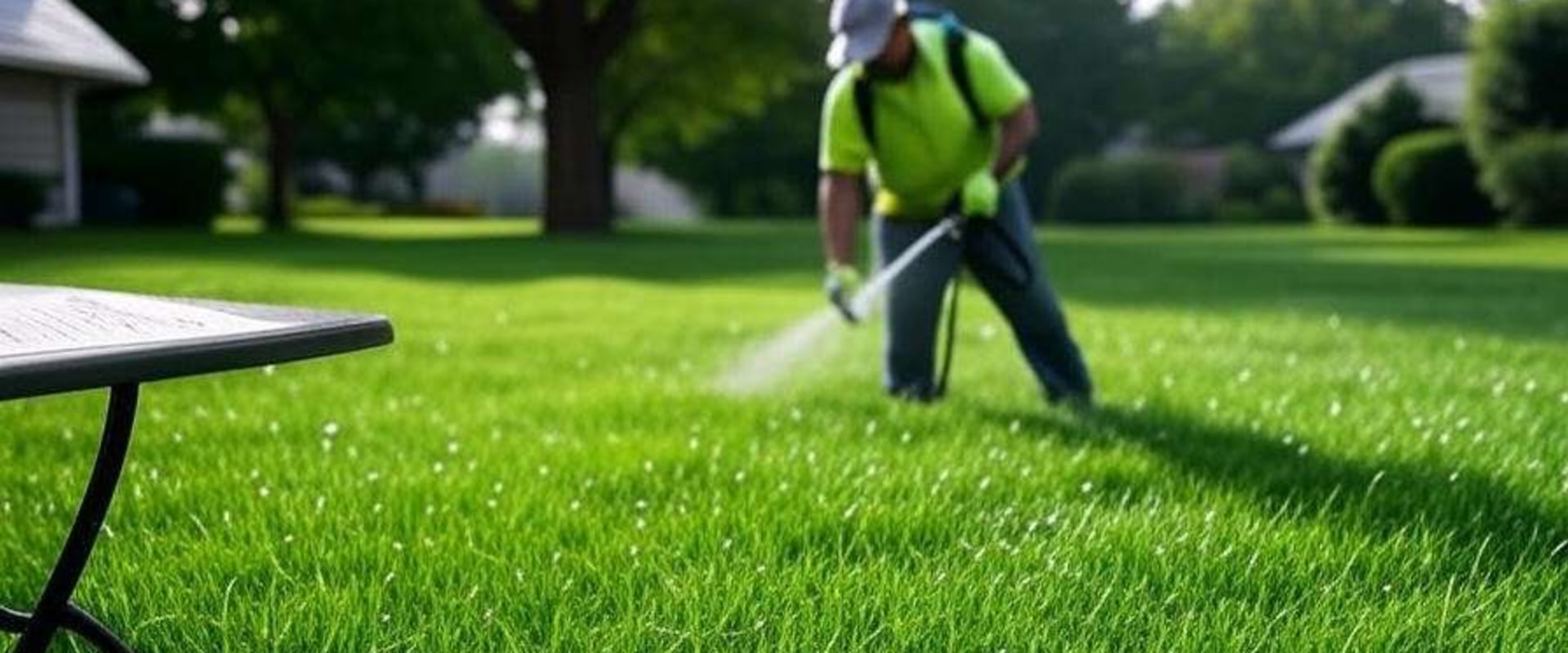
Maintaining a lush, green lawn is a dream for many homeowners, but the reality is that dealing with lawn diseasesdealing with lawn diseases can be a significant challenge. Just when you think your grass is thriving, unexpected issues can arise, leaving you feeling frustrated and overwhelmed. Whether it's brown patches, unusual growth patterns, or stubborn weeds, understanding how to effectively combat these problems is essential for achieving the beautiful yard you desire. In this article, we will explore effective strategies for managing lawn diseases that not only restore your lawn's health but also prevent future outbreaks. From identifying common diseases to implementing preventive measures and treatments, our comprehensive guide will equip you with the knowledge and tools necessary to maintain a vibrant landscape. Don't let lawn diseases derail your landscaping dreams.
Join us as we delve into expert tips and proven techniques that will keep your lawn looking its best all year round!A healthy lawn is not just a visual delight; it serves as a vital space for recreation, relaxation, and enhancing property value. However, maintaining that lush green expanse often comes with its share of challenges, particularly when it comes to lawn diseases. Understanding the various types of lawn diseases is crucial for both DIY enthusiasts and those who prefer to hire professionals. By learning about these diseases, you can take proactive steps to ensure your landscape remains vibrant and healthy. There are several main types of lawn diseases, including fungal infections, pests, and environmental factors.
Fungal infections are perhaps the most common culprits, manifesting in various forms such as brown patch, dollar spot, and powdery mildew. Each of these conditions has unique symptoms and requires different approaches for management. Pests like grubs and chinch bugs can also wreak havoc on your lawn's health, leading to patches of dead grass. Additionally, environmental factors such as drought, poor soil health, and extreme temperatures can contribute to the decline of your lawn. When dealing with lawn diseases, it is essential to recognize the symptoms early.
Signs of disease often include discoloration, wilting, and unusual growth patterns. For instance, brown patch typically presents as circular patches of brown grass, while powdery mildew appears as a white, powdery substance on the grass blades. By identifying these symptoms quickly, you can take action before the issue escalates. Prevention is always better than cure when it comes to managing lawn diseases. Proper watering techniques play a significant role in lawn health.
It's advisable to water deeply but infrequently to encourage deep root growth. Mowing practices are equally important; maintaining the correct height for your grass type can reduce stress and susceptibility to diseases. Furthermore, ensuring good soil health through regular aeration and the addition of organic matter can create a robust environment that is less prone to disease. If your lawn does fall victim to diseases, there are various treatment options available. Organic methods such as introducing beneficial nematodes or using neem oil can be effective against certain pests and fungal issues.
On the other hand, chemical treatments offer quicker results but should be used judiciously and according to label instructions to avoid harming beneficial organisms in your lawn. For instance, products containing azoxystrobin can effectively treat brown patch but may have environmental implications if not applied correctly. Consider common diseases like brown patch or powdery mildew as examples of how tailored solutions are necessary based on specific lawn conditions. While some may advocate for chemical treatments as the quickest fix, others may prefer organic solutions for their environmental benefits. It's essential to weigh the pros and cons of each method while considering your unique situation. In conclusion, understanding lawn diseases, recognizing symptoms early, and employing effective prevention and treatment strategies are key to maintaining a healthy lawn.
Whether you're a DIY enthusiast or looking to hire a professional service, knowledge about these issues will empower you to make informed decisions that enhance the beauty and functionality of your outdoor space.
When to Call in the Professionals
While many lawn diseases can be managed effectively with DIY strategies, there are specific situations where seeking professional help is not just advisable, but necessary.Recognizing these situations
can save you time, effort, and ultimately lead to a healthier lawn. One clear sign that it may be time to call in the experts is if the lawn disease persists despite your best efforts. If you've followed recommended treatments and maintenance practices for a few weeks without noticeable improvement, it may indicate a more serious underlying issue that requires professional diagnostics. Another situation to consider is if you notice extensive damage across a significant area of your lawn. When patches of grass begin to die off or turn brown at an alarming rate, this could suggest a widespread infection that amateur remedies might not adequately address. Additionally, if you're unsure about the type of disease affecting your lawn, consulting a professional can provide clarity.Experts can quickly identify the specific disease and recommend targeted treatments that are more effective than general approaches. Lastly, if your lawn is suffering from secondary issues such as insect infestations or soil problems linked to lawn diseases, hiring a professional can help tackle these complications comprehensively. They can offer solutions that not only address the visible symptoms but also restore your lawn's health in the long term.
Treatment Options: What Works Best?
When it comes to dealing with lawn diseases, selecting the right treatment is crucial for restoring your lawn's health. There are various options available, each with its own set of advantages and considerations. Understanding these can empower homeowners and landscapers alike to make informed decisions. One of the most popular choices is chemical solutions.These products are designed to target specific pathogens affecting your lawn, and they often provide quick results. Common chemical treatments include fungicides for fungal infections and herbicides for weed control. However, it’s essential to follow the manufacturer’s instructions carefully, as improper application can lead to environmental harm or damage to your lawn. On the other hand, organic solutions have gained traction among eco-conscious homeowners. These treatments often utilize natural ingredients and aim to improve soil health while combating diseases.
For instance, compost tea can enhance microbial activity in the soil, helping to fend off pathogens. Additionally, products like neem oil or garlic spray can serve as effective organic pesticides against various lawn pests and diseases. Another option is preventive care, which focuses on maintaining a healthy lawn to reduce disease susceptibility. Practices such as proper watering, aeration, and fertilization can significantly enhance your lawn's resilience. Implementing a regular maintenance schedule can help you identify issues before they escalate into full-blown diseases. Ultimately, the best approach may involve a combination of both chemical and organic solutions, tailored to your lawn's specific needs and the types of diseases you are facing.
Whether you choose to tackle these issues yourself or enlist the help of professionals, understanding the treatment options available will help you maintain a beautiful and thriving landscape.
Understanding Common Lawn Diseases
Lawn diseases can be a significant challenge for homeowners and landscape enthusiasts alike. Recognizing and understanding these diseases is crucial for maintaining a healthy and vibrant lawn. Here, we will explore some of the most common types of lawn diseases, their causes, and the symptoms to look out for. One prevalent disease is Brown Patch, which is caused by the fungus Rhizoctonia solani. This disease typically affects cool-season grasses during warm, humid weather.Symptoms include circular patches of brown grass that can expand rapidly, often surrounded by a dark green ring. Another common ailment is Dollar Spot, which is particularly problematic in areas with high nitrogen levels and low moisture. Caused by the fungus Sclerotinia homeocarpa, this disease manifests as small, round patches of bleached grass that resemble silver dollars. These spots can range from a few inches to several feet in diameter.
Powdery Mildew
is another disease that commonly affects lawns, particularly in shady areas. This fungal infection appears as a white, powdery coating on grass blades, indicating that the lawn may be struggling due to insufficient sunlight and poor air circulation.Rust
is a fungal disease that thrives in warm, dry conditions.It presents itself as orange or yellow pustules on grass blades and can lead to a weakened lawn if not managed properly. Rust often indicates that the lawn is not receiving enough water or nutrients. Lastly, Necrotic Ring Spot is characterized by circular patches of dead grass surrounded by healthy turf. Caused by the fungus Leptosphaeria korrae, this disease often occurs in drought-stressed lawns or those with improper soil pH levels. Understanding these common lawn diseases, their causes, and symptoms will empower homeowners and DIY enthusiasts to take appropriate actions, whether through preventive measures or effective treatments.
Preventive Measures for a Healthy Lawn
To maintain a vibrant and healthy lawn, it is essential to implement preventive measures that significantly reduce the risk of lawn diseases. Proper lawn care practices not only enhance the aesthetic appeal of your outdoor space but also fortify your grass against potential threats.Here are some effective strategies:1.Choose the Right Grass Type: Selecting a grass variety that is well-suited to your local climate and soil conditions is crucial. Different grasses have varying levels of resistance to specific diseases, so research which types thrive in your area.
2.Mow Regularly and Correctly:
Maintaining an appropriate mowing height is vital for lawn health. Cutting grass too short can stress the plants and make them more susceptible to disease. Aim to mow when the grass is dry, and keep your mower blades sharp to ensure clean cuts.3.Water Wisely:
Overwatering or underwatering can create an ideal environment for diseases to flourish.Water your lawn deeply but infrequently, preferably early in the morning to allow for evaporation throughout the day. This helps prevent fungal growth and promotes deep root development.
4.Fertilize Appropriately:
Providing your lawn with the right nutrients is essential for its health. Conduct a soil test to determine nutrient deficiencies and apply fertilizer as needed, following recommended guidelines to avoid over-fertilization, which can lead to lush growth that attracts pests and diseases.5.Aerate the Soil:
Aeration is a beneficial practice that helps improve soil structure by allowing air, water, and nutrients to penetrate deeper into the ground. This process reduces compaction, promotes root growth, and can help prevent various disease problems.6.Practice Good Lawn Hygiene:
Remove any dead grass, leaves, or debris that can harbor pests and diseases.Keeping your lawn clean and clear of organic matter reduces the chances of disease outbreaks.
7.Rotate Your Lawn Activities:
If you’re using specific areas of your lawn for activities like gardening or play, consider rotating these areas regularly. This can help prevent localized stress and reduce disease risk. By incorporating these best practices into your lawn care routine, you can effectively lower the chances of encountering lawn diseases, ensuring a lush and healthy landscape that enhances both beauty and functionality. In conclusion, maintaining a healthy lawn is essential for enhancing the aesthetic appeal and functionality of your outdoor space. Throughout this article, we explored common lawn diseases and their impact on your landscape. By understanding these issues, you are better equipped to implement preventive measures that can significantly reduce the risk of disease.Regular monitoring and maintenance, as discussed, are crucial for keeping your lawn in optimal condition. We also covered various treatment options that can effectively address lawn diseases when they arise, ensuring that your grass remains lush and vibrant. Finally, knowing when to call in the professionals can save you time and effort while guaranteeing expert care for your lawn. We encourage you to take action by applying the tips provided in this guide. With proactive lawn care, you can enjoy a beautiful, thriving outdoor space that enhances your home’s value and your enjoyment of nature.


