Practical field notes
Exploring Balance and Symmetry in Landscape Design
Discover how to achieve balance and symmetry in your landscaping projects, enhance your outdoor spaces, and create harmony with nature.
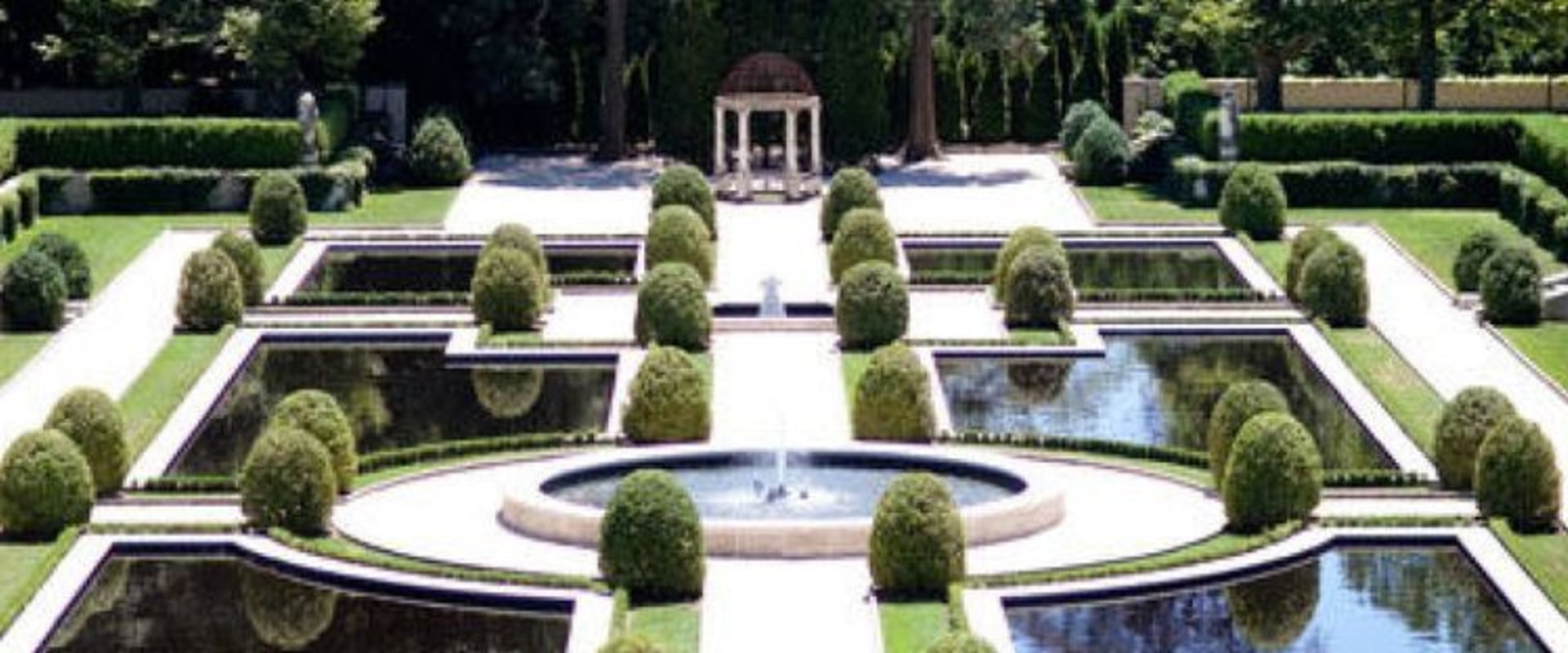
In the realm of landscape design, the concepts of In the realm of landscape design, the concepts of balance and symmetry hold profound significance, serving as the backbone of aesthetic appeal and functionality. These principles are not merely decorative; they are fundamental to creating spaces that resonate with harmony and tranquility. As designers, understanding how to effectively implement balance and symmetry can transform an ordinary garden or park into a captivating sanctuary that draws people in and invites them to linger. Imagine walking through a meticulously designed landscape where every element feels perfectly placed, where the eye is drawn naturally from one feature to another, creating a seamless flow throughout the space. This is the magic that balance and symmetry bring to landscape design.
Whether you're designing a small backyard retreat or a sprawling public park, these principles play a pivotal role in how viewers perceive and interact with their environment. In this article, we will delve into the intricate details of balance and symmetry, exploring their definitions, types, and applications within various landscape contexts. We will examine how these elements can be harmonized to evoke feelings of peace and order while encouraging an appreciation for nature's beauty. Join us as we embark on this journey to uncover how mastering balance and symmetry can elevate your landscape design projects to new heights.
Balance
is a fundamental principle in landscaping that refers to the visual equilibrium achieved by distributing elements evenly across a space. In landscaping, there are two primary types of balance: symmetrical and asymmetrical.Symmetrical designs are characterized by a mirror-like arrangement, where elements on one side of the garden are mirrored on the other. For example, a traditional garden layout might feature a perfectly aligned row of trees flanking either side of a central pathway, creating a sense of order and calm. This type of design is often favored in formal gardens, where precision and predictability are key components of the aesthetic. On the other hand, asymmetrical balance is achieved when elements are arranged unevenly but still create a sense of harmony. This can be seen in a flower arrangement where taller plants are balanced by shorter ones or in a garden layout where larger boulders on one side are countered by a cluster of smaller plants on the opposite side.
This approach tends to evoke a more relaxed and dynamic feel, appealing to those who prefer a less structured appearance in their outdoor spaces. The emotional impact of balanced designs on viewers is significant; environments that exhibit strong balance often convey feelings of stability and peace, making them highly enjoyable for homeowners and visitors alike. Transitioning into symmetry, achieving this aesthetic can be done through careful planning and selection of plants as well as hardscaping features. When considering plant selection, opt for species that can be mirrored across an axis; for instance, using identical shrubs on either side of a garden path can create a striking symmetrical effect. In terms of hardscaping, features such as patios or walkways can be designed with symmetry in mind. , achieving this aesthetic can be done through careful planning and selection of plants as well as hardscaping features. When considering plant selection, opt for species that can be mirrored across an axis; for instance, using identical shrubs on either side of a garden path can create a striking symmetrical effect. In terms of hardscaping, features such as patios or walkways can be designed with symmetry in mind.
A patio that is centrally located with pathways radiating outwards creates an inviting focal point for gatherings. Additionally, incorporating focal points like sculptures or water features at the center of symmetry enhances the visual impact of the design. A centered flower bed surrounded by low-lying plants can serve as an eye-catching element that draws attention and provides balance to the surrounding area. Successful landscapes that utilize these principles effectively abound. For example, consider a residential garden featuring a perfectly aligned row of trees creating an avenue leading up to the front door; this not only frames the entrance but also welcomes guests with its orderly presentation.
Similarly, a centered flower bed filled with colorful blooms surrounded by uniform greenery can transform an ordinary yard into an extraordinary visual experience. These elements work together to create spaces that are both functional and aesthetically pleasing. However, homeowners often face common challenges when attempting to achieve balance and symmetry. Uneven terrain can complicate these efforts, but it also presents opportunities for creativity. One solution is to use terracing or raised beds to level out areas while introducing visual interest.
Existing structures may also pose difficulties; in such cases, embracing asymmetry might be the best approach. By selecting complementary plants and features that divert attention from structural irregularities, homeowners can create cohesive designs that feel intentional rather than haphazard. Furthermore, utilizing pathways or borders to guide the eye through the landscape helps unify various elements despite any inherent challenges. Ultimately, understanding the principles of balance and symmetry empowers both DIY enthusiasts and professional landscapers alike to enhance outdoor spaces effectively.
Practical Tips for Achieving Balance and Symmetry
Achieving balance and symmetry in landscape design requires thoughtful planning and execution.Here are some practical tips to guide you:1.Plant Selection: Choose plants of varying heights and textures to create visual interest while maintaining balance. For a symmetrical look, opt for identical plant species or shapes on either side of a central focal point. Consider using evergreens for year-round structure, complemented by seasonal flowers for color.
2.Layout Design:
Use geometric shapes and lines to guide the arrangement of your garden. A symmetrical layout often features pathways, flower beds, or hedges that mirror each other.Incorporate a central axis, such as a path or water feature, to enhance the sense of symmetry.
3.Hardscaping Features:
Integrate hardscaping elements like patios, walkways, and retaining walls to frame your garden. Ensure these features align symmetrically with the overall design. For instance, place benches or sculptures at equal distances from the center to reinforce balance. By focusing on these elements, both DIY enthusiasts and professional landscapers can create outdoor spaces that are harmonious and visually appealing, enhancing the overall experience for homeowners.The Role of Symmetry in Outdoor Spaces
Symmetry is a fundamental principle in landscape design that significantly enhances the aesthetic appeal of outdoor spaces. When used effectively, symmetry can create a sense of harmony and balance, making gardens and yards feel more inviting and organized.The human eye is naturally drawn to symmetrical arrangements, as they evoke feelings of stability and order. Incorporating symmetry into your landscape can serve to establish clear focal points that guide the viewer’s attention. For instance, using symmetrical plantings on either side of a pathway or entrance can create a striking visual impact. This not only beautifies the space but also helps to frame key areas, drawing visitors into the garden and encouraging exploration. Furthermore, symmetry can be achieved through various elements such as shrubs, trees, and even garden features like fountains or sculptures. By mirroring these elements on either side of a central axis, designers can create a cohesive look that feels intentional and thoughtfully arranged.
This approach can transform an ordinary garden into an extraordinary outdoor sanctuary. Both DIY enthusiasts and professional landscapers can leverage the power of symmetry to enhance their designs. Understanding how to implement these principles effectively can lead to stunning results that not only elevate the beauty of the space but also improve the overall experience for homeowners and guests alike.
Understanding Balance in Landscape Design
In the realm of landscape design, balance is a fundamental principle that ensures harmony and visual stability within outdoor spaces. It refers to the distribution of visual weight in a landscape, creating an aesthetically pleasing environment. There are two primary types of balance: formal and informal.Formal balance
, also known as symmetrical balance, involves creating a mirror image effect on either side of a central axis.This type of balance is often found in traditional gardens and formal landscapes where elements are arranged with precision. For example, a garden featuring a perfectly manicured hedge on one side of a pathway mirrored by an identical hedge on the other side exemplifies formal balance. This design approach exudes order and predictability, making it ideal for spaces that require a sense of formality. On the other hand, informal balance or asymmetrical balance achieves harmony without symmetry. It relies on the visual weight of different elements to create balance through variety and contrast.
In an informal garden, you might find a large boulder on one side balanced by a cluster of smaller plants on the other side. This type of balance offers a more relaxed and natural appearance, often seen in cottage gardens or rustic landscapes. Informal balance allows for creativity and personal expression, appealing to those who prefer a less rigid approach to design. Understanding these two types of balance can significantly enhance any landscaping project, whether it be for DIY enthusiasts looking to beautify their own gardens or homeowners working with professional designers. By carefully considering the principles of balance, you can create outdoor spaces that are not only visually appealing but also enhance the overall experience of enjoying nature.
Common Challenges in Maintaining Balance and Symmetry
While incorporating balance and symmetry into landscape design can greatly enhance the aesthetic appeal of outdoor spaces, homeowners may encounter several challenges along the way.Understanding these obstacles and finding creative solutions can make the process smoother and more rewarding. One common challenge is achieving visual weight distribution. Homeowners might struggle to place plants, features, or structures in a way that feels harmonious. A practical solution is to use a variety of elements with differing heights and textures, allowing for a more dynamic yet balanced appearance. For instance, pairing tall plants with shorter ones or using decorative stones can create an engaging focal point while maintaining symmetry.Another obstacle is the tendency for landscapes to evolve over time.
Plants grow, and seasonal changes can disrupt the initial balance achieved in the design. To counteract this, homeowners should consider incorporating plants with varying growth rates and seasonal colors. Regular maintenance, including pruning and strategic replanting, can help preserve the intended symmetry throughout the year. Additionally, many homeowners may find themselves limited by budget constraints. Achieving perfect balance and symmetry does not always require expensive materials or professional help.
Simple DIY projects, such as creating symmetrical garden beds or using recycled materials for pathways, can enhance the landscape without breaking the bank. Lastly, understanding how to create a cohesive design across different areas of the landscape can be daunting. Homeowners may struggle to maintain balance when transitioning from one space to another. A useful tip is to select a unifying theme or color palette that can be echoed throughout the yard. This approach not only creates a sense of symmetry but also enhances the overall flow of the landscape. By recognizing these challenges and applying creative solutions, homeowners can successfully achieve balance and symmetry, transforming their gardens into visually stunning outdoor retreats. In conclusion, we have explored the fundamental concepts of balance and symmetry in landscape design, highlighting their crucial role in creating visually stunning outdoor environments.
By understanding and applying these principles, homeowners can transform their gardens into harmonious spaces that not only please the eye but also enhance the overall experience of their outdoor living areas. We encourage you to take the insights gained from this article and experiment with these design elements in your own landscapes. Whether you are a DIY enthusiast or working with a professional, incorporating balance and symmetry into your designs can significantly elevate the aesthetic appeal and functionality of your home. Remember, a well-executed landscape design is more than just a visual treat; it creates a welcoming atmosphere that invites relaxation and enjoyment.


