Practical field notes
Effective Summer Watering Strategies for Thriving Landscapes
Explore essential summer watering strategies to maintain a lush garden while considering eco-friendly practices and plant selection.
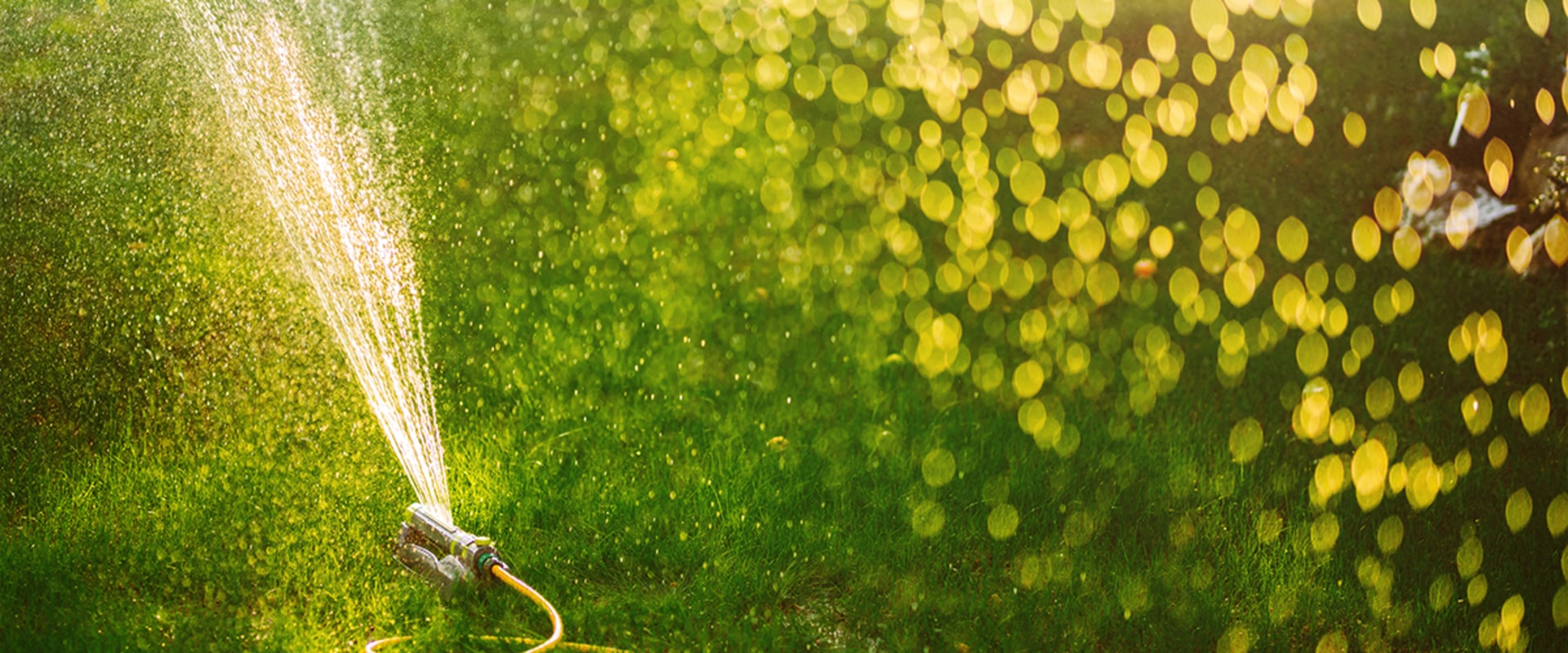
As the sun blazes overhead and temperatures rise, the challenge of keeping your landscape healthy and vibrant becomes more pressing than ever.
Summer watering strategies
play a crucial role in ensuring that your plants, lawns, and gardens not only survive but thrive during the hottest months of the year. With the right approach to irrigation, you can promote deep root growth, enhance drought resistance, and maintain the overall health of your outdoor spaces. In this article, we will explore effective techniques and tips for summer watering that will equip you with the knowledge needed to tackle this seasonal maintenance task. Whether you are a seasoned gardener or a novice homeowner, understanding how to manage water efficiently can make a significant difference in the appearance and resilience of your landscape. From choosing the right time of day to water, to selecting the most effective methods and tools, our comprehensive guide will empower you to create a lush and inviting environment throughout the summer months.Join us as we delve into the essentials of summer watering strategies that will ensure your landscape remains a source of pride and enjoyment all season long. During the summer months, effective watering strategies are crucial for maintaining vibrant and healthy landscapes. As temperatures rise and rainfall becomes less predictable, understanding how to optimize watering can significantly enhance the beauty and resilience of outdoor spaces. This article explores various watering techniques tailored to summer conditions, focusing on timing, methods, plant types, and weather adaptability. One of the first considerations in establishing an effective watering strategy is the timing of watering. Early morning is often the best time to water gardens and lawns.
This approach allows moisture to penetrate the soil before the heat of the day causes evaporation. Watering in the evening can lead to prolonged moisture on foliage, potentially fostering fungal diseases. Therefore, adapting your schedule to early morning can promote healthier plants. The choice of watering method plays a significant role in how effectively water reaches plant roots. Traditional methods, such as using a hose or sprinkler, may work well for larger areas but can lead to uneven distribution and increased evaporation losses.
In contrast, drip irrigation systems deliver water directly to the root zone of plants, minimizing waste and promoting deeper soil moisture. This method is especially beneficial for vegetable gardens and flower beds with varied plant types that require specific moisture levels. When developing your summer watering strategies, consider the types of plants you have in your landscape. For example, succulents and drought-resistant plants thrive on less frequent watering. They prefer dry conditions and can suffer from overwatering.
On the other hand, leafy vegetables like lettuce or herbs may need more consistent moisture to support their growth. Adjusting your watering practices based on these distinctions can lead to a more productive garden. Weather conditions also dictate how much and how often you should water. During periods of extreme heat or drought, plants may require more frequent watering to cope with increased evaporation rates. Conversely, after a rainstorm or in cooler periods, you might need to reduce your watering frequency.
Monitoring local weather forecasts can help you adapt your strategies effectively. An important aspect often overlooked is soil moisture retention. Incorporating organic matter into your soil can improve its structure and ability to retain moisture. Additionally, employing mulching techniques around plants helps reduce evaporation, suppress weeds, and maintain consistent soil temperatures. Organic mulches like wood chips or straw not only enhance aesthetics but also provide nutrients as they decompose. Many gardeners hold misconceptions regarding watering frequency and amounts needed for different plants.
A common belief is that watering deeply every few days is superior to shallow watering every day. However, deep watering encourages roots to grow deeper into the soil where moisture is more stable, while shallow watering can lead to surface roots that are vulnerable to drought conditions. Understanding these principles allows gardeners to make informed choices about their watering habits. For those interested in eco-friendly practices, implementing rainwater harvesting systems can significantly reduce reliance on municipal water supplies during summer months. Collecting rainwater from rooftops into barrels not only conserves resources but provides plants with chlorine-free water that many prefer.
Another sustainable approach is xeriscaping, which involves landscaping with drought-resistant plants that require minimal watering once established. This practice not only conserves water but also creates a unique aesthetic that can enhance any landscape. It’s essential to acknowledge that some traditionalists may disagree with these modern watering techniques in favor of more conventional methods. They might argue that established practices have worked for generations without the need for advanced systems like drip irrigation or rainwater harvesting. While there’s value in tradition, incorporating new strategies can lead to better resource management and healthier landscapes in an increasingly variable climate. In conclusion, adapting your summer watering strategies based on timing, methods, plant types, weather conditions, soil health, and eco-friendly practices can create a thriving landscape that stands up against summer challenges.
By understanding and applying these principles, both DIY enthusiasts and professional landscapers can ensure their outdoor spaces remain lush and vibrant throughout the season.
Soil Health and Moisture Retention
Understanding soil health is crucial for effective summer watering strategies. The quality of soil directly impacts its ability to retain moisture, which is essential for the vitality of plants during the hot months. Healthy soil not only holds water but also allows for proper drainage and aeration, creating a conducive environment for plant roots to thrive. To enhance moisture retention, consider incorporating organic amendments such as compost or well-rotted manure. These materials improve soil structure, increase nutrient content, and enhance the soil's ability to hold water.Additionally, adding mulch on top of the soil can further reduce evaporation rates, keeping moisture available for your plants. Another effective strategy is to test your soil's pH and nutrient levels. This information will guide you in selecting the right amendments tailored to your specific soil needs. Implementing practices like cover cropping can also contribute to long-term soil health by preventing erosion and maintaining moisture levels. By prioritizing soil quality and implementing these improvements, you can create a sustainable watering strategy that ensures your landscape remains lush and vibrant throughout the summer.
Understanding Your Plants' Needs
When it comes to summer watering strategies, understanding the unique water requirements of your plants is essential for their health and vitality. Each plant species has its own specific needs based on factors such as its type, size, and growth stage.For instance, succulents and cacti thrive in arid conditions and require less frequent watering, whereas lush ornamental grasses and flowering plants often demand more consistent moisture to flourish. To assess the specific needs of your plants, start by researching their individual water requirements. Many plants prefer deep watering that encourages root growth, while others may need more frequent, shallow watering during the hotter months. A simple way to determine if your plants need water is by checking the soil moisture. Stick your finger about an inch into the soil; if it feels dry at that depth, it’s time to water. Additionally, consider the environmental conditions surrounding your plants.
Factors such as sunlight exposure, wind, and soil type can all influence how quickly the soil dries out and how much water your plants will require. For example, plants in full sun may need more frequent watering compared to those in shaded areas. By tailoring your watering strategies to meet the specific needs of each plant type, you’ll be able to create a thriving landscape that remains vibrant throughout the summer months.
Timing is Everything
Understanding summer watering strategies requires recognizing that timing plays a critical role in the effectiveness of watering your garden. Watering at the right times not only maximizes water absorption but also minimizes evaporation, ensuring your plants receive the moisture they need to thrive. The best times to water your garden are early in the morning or late in the evening.During these cooler parts of the day, the temperatures are lower, which reduces the rate of evaporation. This means more water gets to the roots of your plants where it's needed most, rather than being lost to the hot summer sun. Moreover, watering in the morning allows plants to absorb moisture before the heat of the day kicks in, helping them withstand the midday sun. Conversely, watering in the evening can help keep plants hydrated overnight, but it’s essential to avoid watering too late, as this can lead to fungal diseases due to excess moisture lingering on leaves overnight. By incorporating these timing strategies into your summer watering routine, you can enhance the health and beauty of your outdoor spaces while conserving water resources.
Eco-Friendly Watering Practices
As the summer heat intensifies, adopting eco-friendly watering practices becomes essential for maintaining a lush and sustainable landscape. These practices not only conserve water but also promote healthier plants and reduce environmental impact. One effective method is rainwater collection.By installing rain barrels or a rainwater harvesting system, homeowners can capture and store rainwater for use in irrigation. This not only reduces reliance on municipal water supplies but also takes advantage of a natural resource that would otherwise go unused. Utilizing this free source of water helps to lower water bills and supports local ecosystems. Another sustainable approach is drought-resistant landscaping. This practice involves selecting native and drought-tolerant plants that require less water and are better adapted to local climates.
Incorporating these plants into your garden not only conserves water but also enhances biodiversity by providing habitats for local wildlife. Additionally, implementing mulch around plants can help retain soil moisture, reduce evaporation, and suppress weeds. Finally, consider using drip irrigation systems, which deliver water directly to the plant roots. This targeted method minimizes water waste and ensures that plants receive the precise amount of moisture they need to thrive during the hot summer months. By embracing these eco-friendly watering practices, you can create a vibrant landscape while making a positive impact on the environment.
Choosing the Right Watering Method
When it comes to maintaining a lush and vibrant landscape during the hot summer months, choosing the right watering method is crucial.Different methods can significantly impact the health of your plants and the efficiency of water usage. Here, we outline various watering methods, along with their pros and cons, to help you select the best approach for your outdoor space.
1.Hand Watering:
This traditional method involves using a hose or watering can to manually water plants.Pros:
It allows for targeted watering, ensuring that each plant receives adequate moisture. It’s also an excellent way to assess plant health up close.Cons: This method can be time-consuming and labor-intensive, especially for larger gardens.
2.Drip Irrigation:
This system delivers water directly to the roots of plants through a network of tubes and emitters.Pros:
It minimizes water waste by targeting the root zone and reduces evaporation. Drip irrigation is ideal for gardens with varied plant types and moisture needs.Cons:
Initial installation costs can be high, and regular maintenance is required to prevent clogging.3.Sprinkler Systems:
These systems can cover large areas with water dispersed in a spray pattern.Pros: They are efficient for lawns and larger landscapes, providing even coverage. Sprinklers can also be automated, saving time and effort.
Cons:
They may lead to overwatering if not timed correctly, and wind can affect distribution, leading to uneven watering.4.Soaker Hoses:
These porous hoses allow water to seep out slowly along their length.Pros:
They are easy to install and provide consistent moisture to garden beds without the risk of runoff.Soaker hoses are particularly effective for rows of plants or in vegetable gardens.
Cons:
They may not be suitable for all types of soil and can become clogged over time.5.Automatic Timers:
While not a watering method itself, incorporating automatic timers with any of the above systems can enhance efficiency.Pros:
Timers ensure that plants receive consistent watering schedules, which is essential during hot summer days.Cons:
They require an initial investment and can malfunction if not regularly checked. Selecting the appropriate watering method depends on your garden's size, plant types, and personal preferences.By understanding the pros and cons of each method, you can make informed decisions that promote a healthy and thriving landscape throughout the summer.
Understanding Your Plants' Needs
In the world of gardening and landscaping, understanding your plants' needs is crucial for maintaining a vibrant and healthy outdoor space. Different plants have varying water requirements, influenced by factors such as species, size, and environmental conditions.Summer watering strategies
must be tailored to these specific needs to ensure optimal growth and resilience. To assess your plants' water requirements, start by categorizing them into groups based on their moisture needs. For example, succulents and cacti thrive in arid conditions and require less frequent watering, while tropical plants may demand more regular moisture.Researching the specific needs of each plant type can help you create a targeted watering schedule. Additionally, pay attention to environmental factors such as soil type, sun exposure, and humidity levels. Sandy soils drain quickly and may necessitate more frequent watering compared to clay soils that retain moisture longer. Observing how your plants respond to watering can also provide valuable insights; wilting leaves or yellowing stems may indicate underwatering, while overly saturated soil can signify overwatering. By taking the time to understand your plants' needs, you can develop effective summer watering strategies that promote healthy growth and enhance the beauty of your landscape. This knowledge not only aids in sustaining your garden but also fosters a deeper connection with the natural world around you.
Understanding Your Plants' Needs
During the summer months, it is crucial to recognize that different plants have varying water requirements.Not all plants thrive under the same conditions, and understanding these differences can significantly enhance the health and appearance of your landscape. To assess the specific needs of your plants, start by categorizing them into groups based on their water requirements. For instance, drought-tolerant plants, such as succulents and certain native species, require less frequent watering compared to moisture-loving plants, like ferns and certain annuals. Researching the specific types of plants in your garden will help you determine their individual needs. Moreover, consider factors such as the plant's age, size, and exposure to sunlight. Young plants typically need more water as they establish their root systems, while mature plants might be more resilient to dry conditions.
Additionally, plants in full sun will generally require more water than those in shaded areas. Another effective way to gauge your plants' moisture needs is by checking the soil. Insert your finger about an inch into the soil; if it feels dry at that depth, it's likely time to water. This simple method can help you avoid overwatering or underwatering your plants. Lastly, during periods of extreme heat, even established plants may require extra care. Keeping an eye on their leaves—if they appear droopy or discolored—can indicate that they need a drink.
By understanding and catering to your plants' unique water needs, you can ensure a thriving landscape throughout the summer. In conclusion, effective summer watering strategies are essential for maintaining the health and beauty of your outdoor spaces. By understanding your plants' needs, you can tailor your watering techniques to support their growth during the hot months. Timing is crucial, as watering at the right times can significantly enhance moisture absorption. Remember to select the most suitable watering method that aligns with your landscape's specific requirements, ensuring every drop counts. Additionally, prioritizing soil health and moisture retention will lead to a more resilient garden, while adopting eco-friendly watering practices contributes to sustainable landscaping efforts. We encourage you to experiment with these strategies to find the perfect balance for your garden. With the right approach, your landscape can thrive, becoming a vibrant and inviting space throughout the summer.


