Practical field notes
Understanding Topography for Effective Landscape Design
Explore how topography influences landscape design, from plant selection to hardscaping, ensuring your outdoor space thrives.
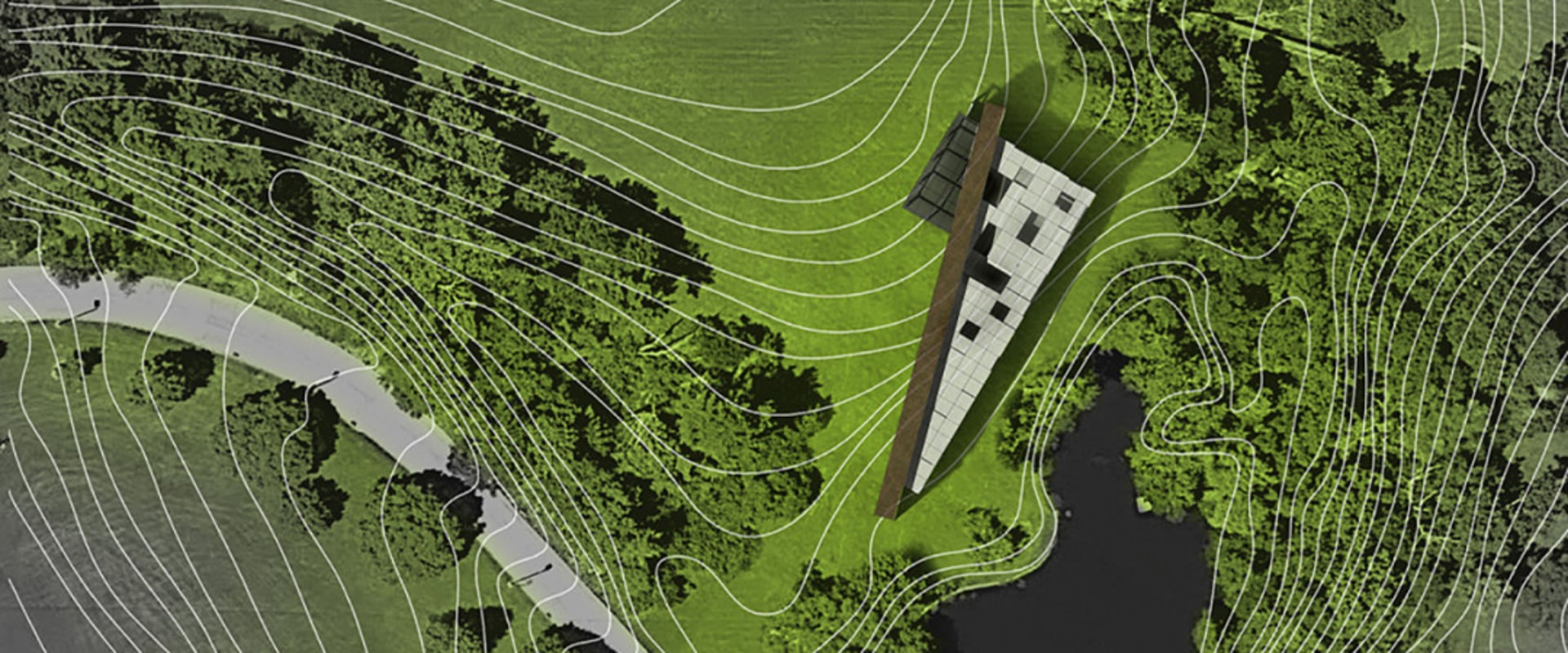
When embarking on a landscape design project, one of the most pivotal factors to consider is When embarking on a landscape design project, one of the most pivotal factors to consider is topography. Understanding the lay of the land is not merely about aesthetics; it encompasses a myriad of practical considerations that can make or break your design. Topography influences drainage patterns, sunlight exposure, and even the types of vegetation that will thrive in a given area. As you explore the intricate relationship between topography and landscape design, you will uncover how elevation changes, slopes, and natural features can be harmonized with your creative vision. In this article, we will delve deep into the various aspects of topography considerations that are essential for effective landscape design.
Whether you are a seasoned designer or an enthusiastic novice, understanding these elements will empower you to create spaces that are not only visually stunning but also environmentally sustainable and functional. Join us as we navigate through the complexities of landforms and learn how to leverage them to enhance your landscape projects.
Topography considerations
play a crucial role in landscape design, influencing not only the aesthetic appeal of a space but also its functionality and sustainability. Understanding the contours, slopes, and drainage patterns of a site is essential for creating outdoor environments that are both beautiful and practical. For both DIY enthusiasts and landscape professionals, a thorough analysis of topography can inspire innovative design solutions that enhance the natural characteristics of the land. The impact of topography on various aspects of landscaping cannot be overstated.Different slopes can significantly affect sunlight exposure and moisture retention, both of which are critical factors in plant selection. For instance, south-facing slopes typically receive more sunlight throughout the day, making them ideal for sun-loving plants. Conversely, north-facing slopes may provide more shade, which is better suited for shade-tolerant species. Additionally, steep slopes may retain moisture differently than flatter areas; thus, understanding these dynamics helps in selecting plants that will thrive in their specific environments. Elevation changes can also create unique garden areas that add depth and interest to a landscape. Different slopes can significantly affect sunlight exposure and moisture retention, both of which are critical factors in plant selection. For instance, south-facing slopes typically receive more sunlight throughout the day, making them ideal for sun-loving plants. Conversely, north-facing slopes may provide more shade, which is better suited for shade-tolerant species. Additionally, steep slopes may retain moisture differently than flatter areas; thus, understanding these dynamics helps in selecting plants that will thrive in their specific environments. Elevation changes can also create unique garden areas that add depth and interest to a landscape.
Terraced planting is one such example, where a sloped area is transformed into a series of flat beds, allowing for a diverse array of plants to be grown at varying heights. Raised beds are another effective technique that can be employed on sloped land, providing excellent drainage while also making gardening more accessible. These design elements not only maximize the use of space but also create visually appealing layers within the landscape. Managing drainage in sloped areas is essential to prevent erosion and water pooling, which can pose significant challenges for garden maintenance. Techniques such as building retaining walls or implementing proper grading can help manage water flow effectively.
Additionally, incorporating swales—shallow, vegetated channels designed to direct water—can mitigate runoff while enhancing the landscape's ecological value. Proper drainage management not only preserves the integrity of the garden but also supports plant health by ensuring adequate moisture levels.
Hardscaping considerations
are equally important when it comes to navigating topography. The placement of patios, walkways, and other hardscape elements should be strategically planned in relation to the land's contours. For example, pathways that follow the natural slope can enhance accessibility while minimizing potential hazards.Elevation changes can also be utilized creatively in hardscape design; steps or ramps can be incorporated to connect different levels seamlessly while providing functional transitions throughout the space. Incorporating native plants that thrive in specific topographical conditions is another vital aspect of effective landscape design. Native species are often better adapted to local soils and climate conditions, requiring less maintenance and fewer resources than non-native plants. For instance, choosing drought-tolerant native grasses for sunny slopes can conserve water while enhancing biodiversity. Understanding the local ecosystem and selecting appropriate plants can lead to a more sustainable landscape that supports wildlife and promotes environmental health. Case studies and testimonials from homeowners or landscape designers who have successfully navigated topographical challenges offer valuable insights into effective design strategies.
For example, one homeowner transformed a steeply sloped backyard into a multi-level garden featuring terraced beds filled with vibrant native flowers and shrubs. This not only created an attractive focal point but also addressed drainage issues by capturing water runoff in beautifully designed planting areas. Such success stories highlight the importance of thoughtful topography considerations in achieving desired landscaping outcomes. While navigating the complexities of topography, it’s important to address potential disagreements regarding aesthetic versus practical approaches to landscaping with varying topography. Some may prioritize visual appeal over functionality, leading to designs that overlook crucial factors such as drainage or soil health.
On the other hand, strictly practical designs may lack the artistic flair that enhances outdoor spaces. Striking a balance between these two perspectives is key; integrating aesthetics with practical solutions ultimately leads to landscapes that are not only stunning but also resilient and sustainable. In conclusion, understanding topography is fundamental for effective landscape design. By considering how land contours affect sunlight exposure, moisture retention, and drainage management, designers can create outdoor spaces that are both beautiful and functional. Whether through innovative plant selection or thoughtful hardscaping strategies, embracing topographical considerations can inspire creative solutions that elevate any landscape project.
Choosing the Right Plants for Your Terrain
When designing a landscape, selecting the right plants is crucial for creating a sustainable and visually appealing outdoor space.Understanding the unique topography of your site is essential in guiding this selection process. Different terrains present varying challenges and opportunities for plant growth. Begin by assessing the contours of your land. Areas with steep slopes may require plants that have strong root systems to prevent erosion, while flatter areas might benefit from a diverse array of species that can thrive in rich soil. Consider the drainage characteristics of your terrain as well.
Plants that prefer well-drained soils may struggle in areas prone to water pooling, so it’s vital to match plants to their moisture needs. Next, take into account the amount of sunlight your site receives. Sun-drenched slopes may be ideal for sun-loving perennials and shrubs, while shaded areas beneath trees may require shade-tolerant species. This understanding will not only enhance plant health but also contribute to the overall beauty of your landscape. Furthermore, local climate and soil conditions should influence your plant choices. Native plants are often the best option as they are already adapted to the local environment, making them more resilient and easier to maintain.
By carefully considering these topographical conditions, you can create a harmonious landscape that thrives naturally.
The Role of Elevation in Landscape Design
Understanding elevation changes is crucial in landscape design, as it significantly influences both sunlight exposure and moisture retention in a given area. When designing a landscape, it is essential to consider how variations in elevation affect the microclimates within the space. Higher elevations typically receive more direct sunlight, as they are less likely to be shaded by surrounding structures or vegetation. This increased sunlight can be beneficial for sun-loving plants that thrive in bright conditions. Conversely, lower elevations may experience more shade, which can limit the types of plants that can successfully grow there.Therefore, selecting the right plants based on their light requirements is vital for achieving a balanced and thriving landscape. Moreover, elevation impacts moisture levels in the soil. Areas at higher elevations may experience quicker drainage, leading to drier conditions, while lower-lying areas can accumulate water and become more prone to saturation. This difference in moisture availability can dictate which plants are suitable for each section of the landscape. For instance, drought-resistant plants may flourish in elevated regions, while moisture-loving species may be better suited for depressions or low areas. Ultimately, understanding the role of elevation in landscape design enables both DIY enthusiasts and professionals to make informed decisions about plant selection and placement.
By considering how elevation influences sunlight and moisture, designers can create harmonious outdoor spaces that cater to the specific needs of various plants, ensuring a vibrant and sustainable landscape.
Incorporating Hardscape Features
When designing outdoor spaces, hardscape features such as patios, walkways, and retaining walls play a crucial role in enhancing both functionality and aesthetics. To effectively incorporate these elements, it is essential to consider the topography of the site. Understanding the natural contours and slopes of the land allows landscape designers to strategically place hardscape features in a way that complements the existing landscape. One best practice is to align patios and walkways with the natural flow of the land. For example, on sloped sites, elevated patios can provide stunning views while maintaining proper drainage.This means positioning hardscape elements at varying heights, which not only adds visual interest but also helps manage water runoff effectively. Additionally, when placing walkways, it is important to follow the natural pathways that people would likely take. This often means avoiding steep inclines or abrupt changes in elevation that could make navigation difficult. Using steps or gradual slopes can enhance accessibility and safety while also integrating seamlessly into the surrounding topography. Furthermore, incorporating retaining walls can be an effective way to define spaces within a landscape while providing support for areas with significant elevation changes. These walls should be designed to blend with the natural landscape, utilizing materials that complement the surroundings and are appropriate for the local climate. In conclusion, by carefully considering topographical features when incorporating hardscape elements, both DIY enthusiasts and professionals can create outdoor spaces that are not only beautiful but also functional and sustainable.
Eco-Friendly Landscaping on Sloped Areas
Managing landscapes on inclines presents unique challenges, but with eco-friendly landscaping practices, these can be transformed into opportunities for sustainable design.Sloped areas require careful consideration to prevent soil erosion and promote water conservation. One effective method is implementing terracing. By creating flat areas on the slope, you can reduce runoff and create natural planting spaces. This not only helps in managing water flow but also adds visual interest to the landscape. Another important practice is the use of . These plants are well-adapted to local conditions and require less maintenance, watering, and fertilization.
By selecting native species for sloped areas, you promote biodiversity and support local wildlife. Additionally, consider incorporating rain gardens on slopes to capture and utilize runoff. These gardens are designed to absorb rainwater, reducing erosion and promoting groundwater recharge while enhancing the aesthetic appeal of the landscape. Utilizing permeable materials for paths and driveways can also help manage stormwater on slopes. This allows rainwater to infiltrate the ground rather than running off, which helps maintain soil moisture and prevent erosion. Lastly, applying organic mulch around plants can help retain soil moisture, suppress weeds, and improve soil quality as it decomposes. By adopting these sustainable practices, both DIY enthusiasts and professionals can create beautiful landscapes on sloped areas while preserving the environment.
Managing Water Drainage
Effective landscape design must consider water drainage, especially in areas with varying slopes.Managing water flow is crucial to prevent erosion, protect plant health, and enhance the overall aesthetics of the garden. One fundamental technique is to create contour drains. These are shallow trenches that follow the natural contours of the land, allowing water to flow along the slope while minimizing erosion. By positioning these drains strategically, you can direct excess water away from vulnerable areas, ensuring that your plants receive adequate moisture without the risk of waterlogging. Another method is to incorporate swales, which are gently sloped channels designed to manage runoff. Swales can be planted with native vegetation that helps absorb excess water while filtering pollutants.
This not only aids in drainage but also adds an ecological layer to your landscape design. For gardens on steep slopes, using retaining walls can help manage water drainage effectively. These walls can be constructed from various materials, such as stone or timber, and are designed to hold back soil and prevent landslides. Additionally, they create terraced sections that can be utilized for planting, improving both the aesthetics and functionality of the garden. Lastly, consider integrating rain gardens. These specially designed landscapes capture runoff from impervious surfaces like driveways and rooftops.
By planting native plants that thrive in moist conditions, rain gardens can help absorb excess water while providing a habitat for wildlife. In conclusion, understanding and implementing effective techniques for managing water drainage will not only enhance the longevity and beauty of your landscape but also contribute to a more sustainable environment. In conclusion, understanding topography is essential for effective landscape design. We have explored how factors like elevation, drainage management, hardscape integration, plant selection, and eco-friendly solutions on slopes can significantly impact the aesthetics and functionality of outdoor spaces. By recognizing the unique contours and features of your land, you can create designs that not only enhance beauty but also promote sustainability. We encourage you to take your site’s unique topographical features into account when planning your outdoor spaces. Whether you choose to embark on a DIY project or seek the expertise of professionals for more complex designs, integrating topography into your plans will lead to successful and harmonious landscapes.


