Practical field notes
Embrace the Charm of Cottage Garden Style
Discover inspiration and practical tips for creating a beautiful cottage garden that enhances your outdoor space.
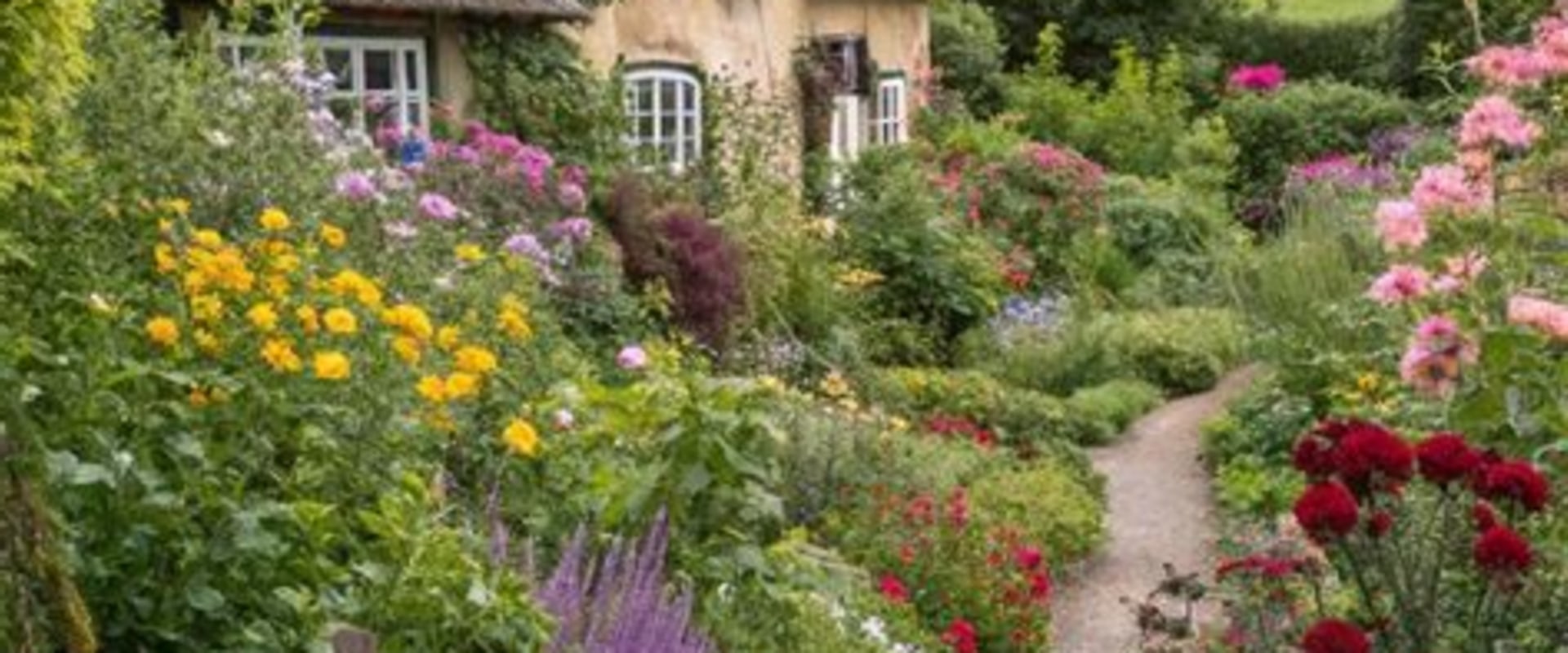
Step into a world where nature and artistry intertwine, creating a sanctuary that feels as if it has blossomed from the pages of a storybook. The Cottage garden style is more than just a trend; it is a celebration of whimsy, warmth, and the beauty of imperfection. This enchanting design style evokes feelings of nostalgia, inviting us to slow down and appreciate the simple pleasures of life. Imagine vibrant flowers mingling with lush greenery, winding pathways that beckon exploration, and charming rustic elements that enhance the overall aesthetic. In this article, we will delve into the essence of Cottage garden style, uncovering its rich history and the principles that make it a beloved choice for garden enthusiasts and landscape designers alike.
Whether you are looking to transform your outdoor space into a cozy retreat or simply seeking inspiration for your next gardening project, the Cottage garden style offers endless possibilities. Join us as we explore how to embrace this delightful aesthetic, bringing together an array of colors, textures, and scents that can turn any garden into a picturesque haven. The **Cottage garden style** is a delightful and inviting approach to landscape design that embodies a sense of nostalgia and whimsy. Characterized by its abundant planting and informal layouts, this style creates a relaxed and welcoming atmosphere that appeals to many homeowners. Unlike more formal landscaping, which often features symmetry and rigid structure, **cottage gardens** embrace a chaotic beauty, where plants intermingle freely and the layout feels organic and effortless. One of the defining characteristics of **cottage garden style** is its rich color palettes.
These gardens often burst with vibrant hues, creating a tapestry of colors that evoke feelings of warmth and nostalgia. The use of various textures is equally important; soft petals, rough leaves, and spiky blooms come together to create a visually engaging environment. When selecting plants for your **cottage garden**, consider combinations that play off each other in terms of color and texture. For example, pairing the delicate blooms of **foxgloves** with the robust stature of **hollyhocks** can result in a stunning visual contrast. When it comes to practical tips for selecting plants, it’s essential to choose varieties that thrive in your specific climate and conditions.
Popular choices for **cottage gardens** include classic favorites like **roses**, which add romance with their fragrant blooms, as well as perennial favorites like **lavender**, which not only looks beautiful but also attracts pollinators. It’s also wise to incorporate plants that provide continuous interest throughout the seasons; consider adding spring-blooming bulbs like daffodils and tulips, alongside summer perennials that keep the garden lively. In addition to plant selection, hardscaping elements play a crucial role in enhancing the charm of a **cottage garden**. Winding paths crafted from stone or gravel invite visitors to explore the garden's nooks and crannies, while rustic fences made from wood or wrought iron offer both definition and character. Seating areas, whether they are simple benches or charming gazebos, provide spots for relaxation amidst the floral bounty. Popular choices for **cottage gardens** include classic favorites like **roses**, which add romance with their fragrant blooms, as well as perennial favorites like **lavender**, which not only looks beautiful but also attracts pollinators. It’s also wise to incorporate plants that provide continuous interest throughout the seasons; consider adding spring-blooming bulbs like daffodils and tulips, alongside summer perennials that keep the garden lively. In addition to plant selection, hardscaping elements play a crucial role in enhancing the charm of a **cottage garden**. Winding paths crafted from stone or gravel invite visitors to explore the garden's nooks and crannies, while rustic fences made from wood or wrought iron offer both definition and character. Seating areas, whether they are simple benches or charming gazebos, provide spots for relaxation amidst the floral bounty.
These features should harmonize with the overall theme of the garden, enhancing its quaint aesthetic. Eco-friendly landscaping practices are integral to the **cottage garden style**, promoting sustainability while creating an inviting space. Companion planting is one effective strategy; by grouping compatible plants together, you can enhance growth and deter pests naturally. Additionally, attracting pollinators like bees and butterflies can be achieved by incorporating a diverse array of flowering plants that bloom at different times. Utilizing native plants not only supports local wildlife but also requires less water and maintenance—making them an excellent choice for eco-conscious gardeners. While many are drawn to the enchanting allure of **cottage gardens**, it’s important to recognize that this style may not suit everyone’s aesthetic preferences.
Some individuals may prefer modern or minimalist designs that emphasize clean lines and simplicity. However, this uniqueness is precisely what makes **cottage gardens** so charming; they tell a story through their layered planting schemes and rustic features. The whimsical nature of these gardens invites creativity and personal expression, allowing homeowners to cultivate spaces that reflect their personality. In summary, embracing the **cottage garden style** offers an opportunity to create a beautiful, welcoming space filled with abundant planting, vibrant color palettes, and eco-friendly practices. By thoughtfully selecting plants that thrive in your environment and incorporating hardscaping elements that complement the overall theme, you can craft a garden that not only delights the senses but also supports sustainability efforts in your community.
Key Characteristics of Cottage Gardens
Cottage garden style is defined by its enchanting and whimsical characteristics that create a delightful outdoor space.One of the most notable features is the plant diversity. Unlike more formal gardens that often favor symmetry and uniformity, cottage gardens embrace a variety of plants, including flowers, herbs, and vegetables. This diversity not only adds visual interest but also supports local wildlife and promotes a healthy ecosystem. The informal layouts of cottage gardens further enhance their charm. Paths meander through the garden, inviting exploration and creating a sense of discovery.
Rather than rigidly defined spaces, cottage gardens often feature winding borders and overlapping plants, allowing for a more naturalistic appearance. This layout encourages creativity and can be easily adapted to suit personal tastes. Another defining element is the use of vibrant colors. Cottage gardens are known for their rich palette, with flowers blooming in a variety of hues throughout the seasons. This colorful display not only brightens up the landscape but also evokes feelings of warmth and joy.
The combination of different flowering plants creates a tapestry of colors that enhances the overall aesthetic. In summary, the key characteristics of cottage gardens include their plant diversity, informal layouts, and vibrant colors, making them an appealing choice for anyone looking to create a charming and inviting outdoor space.
Eco-Friendly Practices in Cottage Gardening
Embracing eco-friendly practices in cottage gardening not only enhances the beauty of your garden but also supports local biodiversity and minimizes environmental impact. To cultivate a sustainable cottage garden, consider implementing the following practices:1.Native Plants:
Opt for native plants that are well-adapted to your local climate and soil conditions. These plants require less water and maintenance, and they attract beneficial pollinators like bees and butterflies.2.Companion Planting:
Utilize companion planting techniques to create a natural pest control system. Certain plants can repel pests or enhance the growth of neighboring plants, reducing the need for chemical pesticides.3. Utilize companion planting techniques to create a natural pest control system. Certain plants can repel pests or enhance the growth of neighboring plants, reducing the need for chemical pesticides.3.Organic Mulching:
Apply organic mulch, such as wood chips or straw, around your plants to retain moisture, suppress weeds, and improve soil health as it breaks down.4.Rainwater Harvesting:
Collect rainwater in barrels to use for irrigation.This practice conserves water and reduces runoff while providing your garden with natural, untreated moisture.5.
Composting:
Create a compost bin to recycle kitchen scraps and garden waste. Compost enriches the soil, improves plant health, and reduces the need for chemical fertilizers.6.Wildlife Habitats:
Incorporate features like birdhouses, insect hotels, and native shrubs to create habitats for wildlife. This promotes biodiversity and encourages a healthy ecosystem within your garden. By integrating these eco-friendly practices, you can enjoy a vibrant cottage garden that not only reflects its quaint charm but also contributes positively to the environment.Incorporating Hardscaping Features
Integrating hardscaping features into your Cottage Garden Style design is essential for creating a charming and functional outdoor space. Hardscaping elements such as pathways, seating areas, and decorative structures not only enhance the aesthetic appeal but also provide structure and accessibility within the garden. Pathways are a fundamental aspect of Cottage Garden Style, guiding visitors through the lush plantings and inviting them to explore the various areas of the garden.Consider using natural materials like flagstone, gravel, or reclaimed bricks to create meandering paths that blend seamlessly with the landscape. These pathways should feel organic, often curving gently rather than following straight lines, which aligns perfectly with the informal nature of cottage gardens. Seating areas are another important hardscaping feature that can enhance the enjoyment of your Cottage Garden Style. Whether it’s a rustic bench nestled among flowering plants or a cozy patio space with comfortable chairs, seating allows you to relax and take in the beauty of your surroundings. Incorporate natural materials such as wood or stone to maintain the garden's quaint charm.
Position seating areas strategically to offer lovely views of blooming flowers or other garden features. Consider adding other hardscaping elements such as arbors, trellises, or pergolas adorned with climbing plants. These structures create vertical interest and can serve as focal points in your Cottage Garden Style. Not only do they provide shade and shelter, but they also encourage biodiversity by attracting pollinators and creating habitats for beneficial insects. Lastly, don’t forget about practical aspects of hardscaping. Drainage solutions like dry creek beds or permeable paving can help manage water runoff while enhancing the natural feel of the garden.
By thoughtfully integrating these hardscaping features, you will create a cohesive and inviting Cottage Garden Style that invites exploration and relaxation.
Choosing the Right Plants
When designing a cottage garden, selecting the right plants is crucial to achieving that charming, whimsical aesthetic. The essence of a cottage garden style lies in its lush, overflowing plant life that creates a sense of abundance and tranquility. Here are some suitable plants that embody this style:Perennials: Consider planting perennials like lavender, echinacea, and delphiniums. These plants not only come back year after year but also add vibrant colors and textures to your garden.Annuals
: To introduce seasonal variety, incorporate annuals such as zinnias, marigolds, and cosmos.These flowers bloom profusely and can be easily replaced each year for fresh looks.
Climbers
: Enhance vertical spaces with climbing plants like clematis, roses, or wisteria. These can drape over trellises or archways, creating a romantic entrance to your garden.Herbs
: Don’t forget about herbs! Incorporate culinary herbs such as basil, thyme, and rosemary. Not only do they serve practical purposes in the kitchen, but they also attract beneficial insects. For successful plant care and maintenance, consider the following tips:Soil Preparation: Start with nutrient-rich soil by adding organic matter like compost. This helps retain moisture and provides essential nutrients for your plants.Watering Wisely
: Regular watering is essential, especially during dry spells.Early morning is the best time to water, allowing leaves to dry throughout the day and reducing the risk of disease.
Mulching
: Apply a layer of mulch around your plants. This helps retain soil moisture, suppress weeds, and maintain a consistent soil temperature.Pruning and Deadheading
: Regularly prune your plants and remove spent flowers (deadheading) to encourage new growth and prolong blooming periods. By carefully selecting a variety of plants and following these maintenance tips, you can create a stunning cottage garden that flourishes through the seasons, bringing beauty and joy to your outdoor space. In conclusion, the cottage garden style encapsulates a unique blend of charm and practicality, making it an appealing choice for many homeowners. By highlighting the key characteristics of cottage gardens, we’ve seen how these spaces exude a romantic aesthetic that contrasts beautifully with more formal landscaping designs. The emphasis on choosing the right plants allows for a vibrant tapestry of colors and textures, while incorporating hardscaping features adds structure and functionality to the garden. Moreover, adopting eco-friendly practices not only enhances the sustainability of your garden but also contributes to the overall health of the environment.Whether you are a DIY enthusiast eager to roll up your sleeves or someone considering professional assistance, the beauty of cottage garden style lies in its versatility and personal expression. We encourage you to embrace your creativity in designing your outdoor spaces, allowing your garden to reflect your unique personality while enjoying the process of bringing it to life.


