Practical field notes
Transform Your Outdoor Space with Container Gardening
Explore practical container gardening tips and design ideas to enhance your outdoor landscaping.
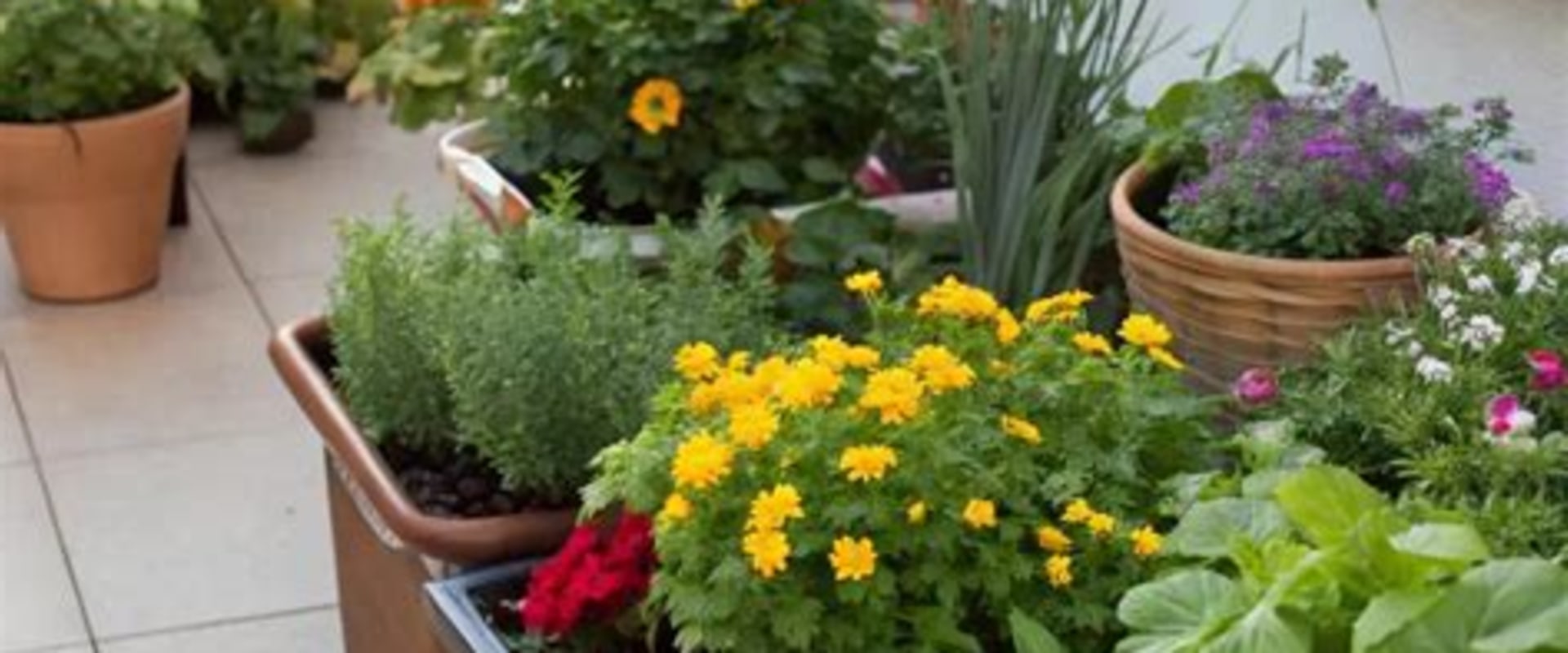
Are you looking to breathe new life into your outdoor space? Whether you have a cozy balcony, a charming patio, or a small garden, container gardeningcontainer gardening offers an innovative solution to elevate your landscaping game. Imagine transforming bare surfaces into vibrant displays of color and texture, all while maximizing your available space. With the right approach, container gardening can turn any area into a lush oasis that reflects your personal style and enhances your surroundings. This versatile gardening method is not only suitable for those with limited room but also perfect for anyone seeking an easy way to cultivate a variety of plants. From fragrant herbs to stunning flowers, container gardening allows you to curate your own mini-garden tailored to your preferences.
As we delve deeper into this artful practice, you'll discover tips, tricks, and inspiring ideas that will help you create a captivating outdoor environment. So, why wait? Let’s explore how container gardening can transform your outdoor space into a vibrant sanctuary that brings joy and beauty to your daily life.
Container gardening
is an innovative approach to landscaping that allows you to create vibrant green spaces, even in the smallest of areas. One of the first practical aspects to consider is selecting the right containers. When choosing containers, consider the material—options include clay, plastic, wood, and metal. Each material has its benefits; for instance, clay pots are excellent for drainage, while plastic ones are lightweight and easy to move.Ensure that your chosen containers have adequate drainage holes to prevent water accumulation, which can lead to root rot. Next, think about the types of plants that will thrive in your climate. For instance, if you live in a hot and dry area, succulents and drought-resistant plants such as lavender or ornamental grasses would be ideal choices. Conversely, cooler climates might favor hardy perennials like pansies or ferns. Understanding your local climate will help you select the best plants for your container gardening project. Soil composition is another critical factor in container gardening.
Unlike traditional gardens that benefit from native soil, container gardens require a well-draining potting mix enriched with nutrients. A combination of peat moss, vermiculite, and compost can provide the perfect environment for your plants to flourish. Additionally, consider using slow-release fertilizers to ensure your plants receive the necessary nutrients throughout their growth cycle. Arranging plants for visual appeal and functionality is crucial in achieving a stunning container garden. Consider using the thriller, filler, and spiller technique: choose a tall plant as the centerpiece (the thriller), surround it with medium-height fillers, and allow trailing plants to spill over the edges.
This not only creates depth and interest but also maximizes space by utilizing vertical growth. You can also group containers of varying heights together to create a more dynamic landscape. For inspiration, think about various themes that can elevate your container gardening designs. A tropical theme could incorporate vibrant foliage plants like elephant ears and colorful bromeliads, while an herb garden could feature aromatic plants such as basil, rosemary, and mint—all easily accessible for cooking enthusiasts. Seasonal displays can bring joy throughout the year; use bright annuals in spring and summer, followed by ornamental kale and pansies in fall and winter. Common concerns surrounding container gardening often revolve around drainage issues, watering techniques, and pest management.
To address drainage concerns, ensure that each container has enough holes and consider adding a layer of gravel at the bottom to facilitate water flow. Watering can be tricky; it’s essential to establish a consistent schedule based on the specific needs of your plants. A good rule of thumb is to check the top inch of soil—if it feels dry, it’s time to water. Pest management is equally important; keep an eye out for common pests such as aphids or spider mites. Natural remedies like neem oil or insecticidal soap can effectively control these nuisances without harming your plants or the environment. Integrating hardscaping features into your container gardening design can enhance the overall aesthetic significantly.
Consider adding decorative stones or small pathways between containers to create visual interest and facilitate easy access for maintenance. These features can also help define spaces within your garden, making it feel more organized and inviting. For eco-conscious readers, there are numerous ways to incorporate sustainable practices into container gardening. Using recycled materials—such as old buckets or wooden crates—as containers can add a rustic charm while reducing waste. Additionally, opting for organic fertilizers and pest control methods aligns with environmentally friendly gardening practices. Some may argue that container gardening has limitations compared to traditional gardening methods; however, many successful container setups demonstrate that this method can maximize space efficiently.
Urban dwellers have transformed balconies into lush retreats using vertical gardening techniques or hanging planters. Community gardens often showcase how container gardens can be utilized creatively in limited spaces while still providing a bountiful harvest. In conclusion, container gardening offers a versatile solution for individuals looking to enhance their outdoor spaces without requiring extensive land. With careful consideration of plant selection, design arrangements, and sustainable practices, you can create an oasis that reflects your personal style and meets your lifestyle needs.
Incorporating Hardscaping Elements
Incorporating hardscaping elements into your container gardening design can greatly enhance the overall aesthetic and functionality of your outdoor space.Pathways
are a great way to connect different areas of your garden, allowing easy access to your plants while also creating a visually appealing layout.Consider using materials like decorative stones, gravel, or pavers to create a pathway that complements the colors and textures of your containers. Additionally, a patio area can serve as a perfect spot for relaxation and entertaining. By placing your containers around a small table or seating area, you can create an inviting atmosphere that draws you and your guests into the beauty of your garden. Opt for weather-resistant materials that blend well with your chosen plants to maintain harmony in your design. Lastly, don't overlook the potential of using decorative stones not just for pathways but also as a unique filler in and around your containers. These stones can help retain moisture, provide drainage, and add visual interest to your arrangements.
By combining these hardscaping features with your container gardening efforts, you can achieve a cohesive and stunning outdoor space that reflects your personal style.
Maintenance Tips for Container Gardens
Maintaining a thriving container garden involves a few key practices that ensure your plants stay healthy and vibrant. One of the most critical aspects is establishing a regular watering schedule. Containers tend to dry out faster than garden beds, so it is essential to check the soil moisture daily, especially during hot weather. As a general rule, water your containers thoroughly when the top inch of soil feels dry to the touch.In the summer months, you may need to water daily, while in cooler seasons, every few days may suffice. In addition to proper watering, fertilization is crucial for container gardens, as nutrients can be depleted more quickly in pots. Use a balanced, slow-release fertilizer every 4 to 6 weeks to provide your plants with the necessary nutrients. Alternatively, consider using a liquid fertilizer diluted to half strength every couple of weeks during the growing season. This will help support strong growth and vibrant blooms. Pest control is another important aspect of maintaining your container garden.
Regularly inspect your plants for signs of pests such as aphids, spider mites, or whiteflies. If you notice any infestations, act quickly by either hand-picking the pests or using insecticidal soap or neem oil as a natural remedy. Additionally, introducing beneficial insects like ladybugs can help keep pest populations in check without harming your plants.
Eco-Friendly Container Gardening Practices
Practicing eco-friendly container gardening not only enhances your garden but also contributes positively to the environment. By incorporating sustainable practices, you can create a vibrant garden that thrives while minimizing your ecological footprint. One of the key aspects of eco-friendly container gardening is the use of organic materials.Opt for organic potting mixes that are free from synthetic fertilizers and pesticides. This promotes healthy plant growth and protects local wildlife from harmful chemicals. Additionally, consider using recycled materials for your containers. Old buckets, wine barrels, and even shoes can be transformed into unique planters, reducing waste and adding character to your garden. Water conservation is another critical factor. Implementing a drip irrigation system or using self-watering pots can help minimize water usage while ensuring your plants receive adequate moisture.
Furthermore, collecting rainwater in barrels for irrigation can significantly reduce your water consumption. Incorporating native plants into your container gardening setup is also beneficial. Native plants are adapted to local climates and require less water and maintenance compared to non-native species. They also support local biodiversity by attracting pollinators and beneficial insects. Finally, consider composting kitchen scraps to create nutrient-rich organic fertilizer for your container plants. This practice not only reduces waste but also enriches the soil, promoting healthier plant growth.
Selecting Plants for Your Containers
When it comes to container gardening, one of the most crucial steps is selecting plants that thrive in your specific environment.The right choices can enhance the beauty of your outdoor space while ensuring that your plants flourish. First, consider your climate. Different plants have varying tolerances to temperature and weather conditions. For instance, if you live in a warmer climate, opt for heat-tolerant varieties like succulents or Mediterranean herbs, such as rosemary and thyme. Conversely, cooler regions may benefit from hardy plants like pansies or ornamental kale. Next, assess the light exposure in your outdoor area.
Some containers might receive full sun for most of the day, while others may be shaded by nearby structures or trees. Select plants accordingly: sun-loving species like petunias and marigolds thrive in bright light, whereas shade-tolerant options like ferns and hostas can flourish in lower light conditions. Lastly, take into account your personal preferences. Do you prefer vibrant flowers, lush greenery, or perhaps a mix? Consider incorporating both flowering and foliage plants to create diverse textures and colors. Additionally, think about your lifestyle: if you're frequently busy, low-maintenance plants such as spider plants or snake plants may be more suitable. By carefully considering your climate, light exposure, and personal preferences, you can select the perfect plants for your container gardening project, resulting in a beautiful and thriving outdoor space.
Choosing the Right Containers
When it comes to container gardening, selecting the right containers is crucial for the success of your plants.The materials and sizes of containers can significantly impact plant health and aesthetics. Here, we explore various options to help you make informed decisions.
Ceramic
containers are a popular choice due to their durability and aesthetic appeal. They come in various styles and colors, allowing you to match them to your outdoor decor. However, they can be heavy and may require drainage holes to prevent overwatering.If you choose ceramic, look for pots with a glaze finish that can withstand outdoor conditions.
Plastic
containers offer a lightweight alternative, making them easy to move and rearrange as needed. They are often less expensive than ceramic options and come in an extensive range of shapes and sizes. However, ensure that the plastic is UV-resistant to avoid fading and brittleness over time. Additionally, opting for containers with built-in drainage will help maintain healthy moisture levels for your plants.Wood
containers provide a rustic charm to any container gardening setup.They are biodegradable and can be sustainably sourced, making them an environmentally friendly option. However, untreated wood may rot over time, so consider using treated wood or lining the inside with plastic to prolong the life of your containers. Ensure that they have adequate drainage holes to prevent waterlogging. When choosing sizes, consider the type of plants you want to grow. Larger plants will require bigger containers to accommodate their root systems, while smaller herbs or flowers can thrive in compact pots.
A general rule of thumb is to select a container that is at least 12 inches deep for medium-sized plants, while smaller annuals can do well in pots as small as 6-8 inches. Ultimately, the right combination of materials and sizes will enhance your container gardening experience, allowing you to express your creativity while ensuring your plants flourish in their new homes.
Designing Your Container Garden
Creating a stunning container garden requires a blend of creativity and practical design.Container gardening
allows you to explore various arrangements that can transform even the smallest spaces into vibrant retreats. Here are some layout ideas and inspiration to help you craft visually appealing arrangements.1.Layering Heights
: To add depth and dimension to your container garden, consider using plants of varying heights. Place taller plants like sunflowers or ornamental grasses in the back of a container, while shorter plants, such as pansies or succulents, can be placed in the front.This layered approach creates a more dynamic visual effect.2.
Color Coordination
: Choose a color palette that resonates with your outdoor space. You can opt for monochromatic schemes using different shades of the same color or complementary colors for a vibrant contrast. For example, pairing purple petunias with yellow marigolds can create a striking display.3.Textural Variety
: Incorporate plants with varying textures to enhance the visual interest of your containers. Mix smooth-leaved plants like ferns with spiky varieties such as lavender or the ruffled leaves of coleus.This contrast will add richness to your design.4.
Theme-Based Arrangements
: Create themed containers based on specific styles or seasons. A Mediterranean theme might include herbs like rosemary and thyme alongside vibrant geraniums, while a tropical theme could feature bold foliage and colorful flowers like hibiscus and bird-of-paradise.5.Grouping Containers
: Instead of placing individual containers scattered around, group them together for a cohesive look. Vary the sizes and shapes of the containers to create an eye-catching arrangement. Use trays or platforms to elevate smaller pots and create levels.6.Seasonal Rotation
: One of the benefits of container gardening is the ability to easily change your arrangements with the seasons.Swap out summer blooms for autumn foliage or winter evergreens to keep your outdoor space looking fresh year-round. By applying these design principles, you can create a container garden that not only enhances your outdoor space but also reflects your personal style and creativity. In conclusion, container gardening is an excellent way to transform your outdoor space, especially in small areas where traditional gardening might be challenging. We have explored the importance of choosing the right containers, selecting the perfect plants, and designing a container garden that reflects your personal style. Additionally, we discussed essential maintenance tips that will keep your garden thriving and how to incorporate hardscaping elements for added appeal. Emphasizing eco-friendly practices ensures that your gardening efforts are sustainable and beneficial for the environment. Now that you have the knowledge and inspiration to start, we encourage you to embark on your container gardening journey.
Experiment with different plant combinations and creative designs to truly make your outdoor space unique. Remember, the key to a successful container garden lies in your imagination and willingness to explore new ideas!.


