Practical field notes
Sourcing Native Plants for Your Landscape
Explore practical tips for sourcing native plants to enhance your outdoor spaces sustainably.
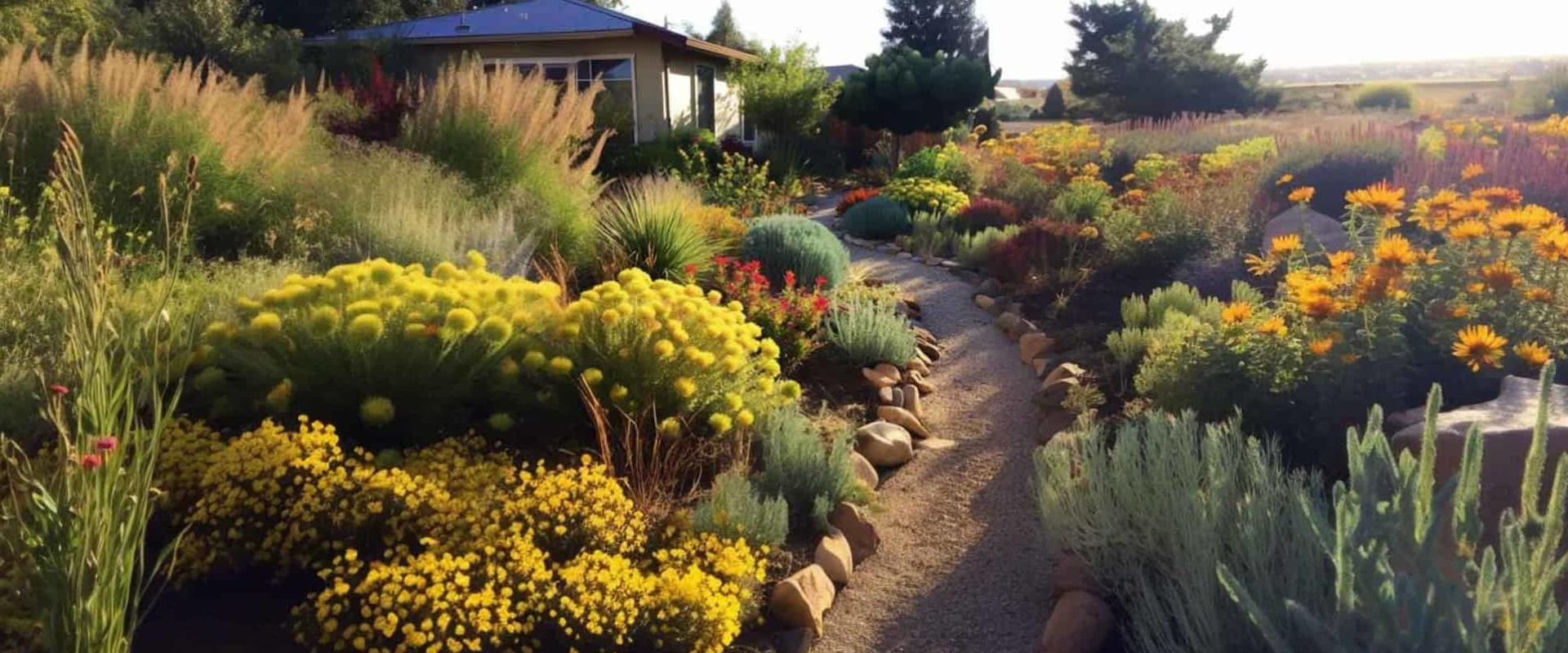
Are you looking to transform your outdoor space into a thriving ecosystem that not only enhances the beauty of your landscape but also supports local wildlife? Sourcing native plantsSourcing native plants is the first step in creating a sustainable and vibrant garden that reflects the natural beauty of your region. Native plants are uniquely adapted to your local climate, soil, and conditions, making them less prone to pests and diseases while requiring less water and maintenance compared to non-native species. In this article, we will guide you through the essential steps to successfully source native plants for your landscape. From understanding the benefits of incorporating these plants into your garden to exploring various resources for obtaining them, you'll discover how native flora can contribute to a healthier environment and enhance biodiversity. Whether you're a seasoned gardener or just starting out, our comprehensive guide will provide you with practical tips and resources to ensure your landscaping project is both beautiful and beneficial to the ecosystem. Join us on this journey towards creating a sustainable landscape that celebrates the rich tapestry of native plants!Sourcing native plants is a vital step towards creating a sustainable landscape that not only enhances the beauty of your garden but also supports local ecosystems.
These plants are adapted to the climate, soil, and wildlife of their native regions, making them a low-maintenance choice for gardeners. To successfully source native plants, it is essential to explore various methods that can provide you with healthy specimens suitable for your landscape. One of the most reliable ways to find native plants is through local nurseries that specialize in native species. These nurseries often have knowledgeable staff who can guide you in selecting the right plants for your specific area. They understand the local ecosystem and can recommend plants that thrive in your soil and climate conditions.
Visiting a nursery also allows you to inspect the plants in person, ensuring you choose healthy specimens free from pests and diseases. Another excellent avenue for sourcing native plants is through native plant sales or community events organized by environmental groups or gardening clubs. These events often feature a wide variety of locally sourced plants and provide an opportunity to connect with other gardening enthusiasts. You may also find valuable resources and advice on sustainable landscaping practices at these events. Engaging with your community not only supports local initiatives but also helps you learn from fellow gardeners who share your passion for sustainability. Online retailers have also become a popular option for sourcing is through native plant sales or community events organized by environmental groups or gardening clubs. These events often feature a wide variety of locally sourced plants and provide an opportunity to connect with other gardening enthusiasts. You may also find valuable resources and advice on sustainable landscaping practices at these events. Engaging with your community not only supports local initiatives but also helps you learn from fellow gardeners who share your passion for sustainability. Online retailers have also become a popular option for sourcing native plants.
Many reputable websites specialize in offering a broad selection of native species, complete with detailed descriptions and care instructions. When shopping online, it is crucial to do your research and choose retailers known for their quality plants and ethical practices. Look for customer reviews and check if they provide information about sourcing their plants sustainably. Understanding local ecosystems is fundamental when selecting native plants. Each region has its unique climate, soil types, and wildlife interactions, which means that not all native plants will thrive everywhere.
For instance, in the Midwest, you might consider incorporating purple coneflower or black-eyed Susan, both of which are well-suited to this region’s conditions. Meanwhile, coastal areas might benefit from beach strawberry or sea oats, which are adapted to sandy soils and salt spray. Anecdotes from homeowners who have transformed their landscapes with native plants serve as inspiring examples of what’s possible. One homeowner recounted how planting milkweed not only beautified their garden but also attracted monarch butterflies, creating a vibrant habitat right in their backyard. Such success stories highlight the ecological benefits of choosing native species—where gardens become sanctuaries for local wildlife while enhancing biodiversity. However, potential concerns about sourcing native plants exist, particularly regarding invasive species and ethical harvesting practices.
It is essential to ensure that the plants you source are genuinely native to your area and not invasive species that could harm local ecosystems. Be wary of sellers who cannot confirm the origin of their plants or fail to provide information about their conservation efforts. Ethical harvesting practices should also be considered; avoid purchasing wild-collected plants unless they are sourced sustainably and legally, as this can lead to habitat destruction. When identifying reputable sources for native plants, look for certification programs or affiliations with environmental organizations. Organizations such as the Native Plant Society can provide lists of recommended nurseries and retailers committed to sustainable practices.
Additionally, always inspect the health of the plants before purchasing—look for signs of pest damage or disease, such as discoloration or wilting leaves. In summary, sourcing native plants involves exploring various avenues such as local nurseries, community plant sales, and online retailers while being mindful of local ecosystems and ethical considerations. By understanding your region's specific needs and engaging with reputable sources, you can cultivate a sustainable garden that thrives and contributes positively to the environment.
Local Nurseries and Garden Centers
When it comes to sourcing native plants, local nurseries and garden centers are invaluable resources. These establishments often specialize in native species, offering a wide variety of plants that are well-suited to the local climate and soil conditions. By purchasing from local sources, you are more likely to find plants that will thrive in your specific environment, which is crucial for the success of your sustainable garden. One of the significant advantages of shopping at local nurseries is the access to expert advice.The staff at these centers are typically knowledgeable about the native flora in your area and can provide insights on plant selection, care requirements, and optimal planting times. They can guide you in choosing plants that not only meet your aesthetic preferences but also support local ecosystems by attracting beneficial wildlife such as pollinators and birds. Additionally, many local nurseries participate in community education programs, workshops, and events focused on sustainability and native landscaping practices. This involvement can further enhance your understanding of sourcing native plants and how to incorporate them effectively into your landscape. By supporting local nurseries, you not only gain access to high-quality native plants but also contribute to the local economy and promote sustainable practices within your community.
Understanding Your Local Ecosystem
Before embarking on your journey to sourcing native plants, it is essential to understand the unique characteristics of your local ecosystem. Every region has its own specific climate, soil type, and environmental conditions that greatly influence which native plants will thrive. Start by researching the climate in your area.Factors such as temperature ranges, rainfall patterns, and seasonal changes can significantly affect plant growth. For instance, some native plants flourish in dry, arid conditions while others require more moisture and humidity. Understanding these aspects will help you choose plants that are well-suited to your environment. Next, assess the soil type in your landscape. Different plants have varying soil preferences, from sandy and well-drained soils to heavy clay.
Conducting a simple soil test can provide valuable insights into pH levels and nutrient content, guiding you in selecting the right native species that will not only survive but thrive in your garden. Additionally, consider the local wildlife. Some native plants are particularly attractive to birds, butterflies, and other pollinators, enriching your garden's biodiversity. Researching the types of wildlife present in your area can help you select plants that create a harmonious balance between your landscape and the natural ecosystem. By taking the time to understand your local ecosystem, you empower yourself to make informed decisions when sourcing native plants. This knowledge not only enhances the beauty of your garden but also contributes to a more sustainable and resilient landscape.
Online Resources and Retailers
When looking to source native plants for your landscape, the internet offers a wealth of resources that cater specifically to this need.Numerous online retailers and conservation organizations specialize in providing a variety of native species that are well-suited for your local environment. One of the most reliable sources for purchasing native plants is through conservation organizations. Many of these organizations not only sell plants but also provide valuable information on how to care for them and their ecological benefits. They often have native plant sales or events where you can purchase directly from them, ensuring that you are getting healthy, locally adapted plants. In addition to conservation groups, there are specialized online retailers dedicated to native plants. These retailers typically offer a wide selection of species, often categorized by region, making it easier for you to find the right plants for your specific climate and soil conditions.
Look for retailers that emphasize organic growing practices and sustainable sourcing methods, as these practices align with the principles of sustainable landscaping.Moreover, local botanical gardens often have online shops or partner with online platforms to sell native plants. Purchasing from these sources not only supports local conservation efforts but also ensures that you are getting species that thrive in your area. Before making a purchase, it’s essential to research the sellers and read customer reviews to ensure you are buying from reputable sources. Additionally, check if they provide detailed descriptions of the plants, including their growth requirements and care instructions, to help you make informed decisions. In conclusion, sourcing native plants online can be an efficient way to enhance your landscape while supporting ecological health. By utilizing conservation organizations and specialized retailers, you can find the perfect plants that will thrive in your garden.
Maintaining Your Native Plant Landscape
When it comes to maintaining your native plant landscape, one of the key advantages is their low maintenance needs.Native plants are adapted to the local climate and soil conditions, which means they typically require less water and fewer resources than non-native species. However, there are still some important care tips to keep your garden thriving. First, it’s essential to establish a proper watering routine. While many native plants are drought-tolerant once established, they will need regular watering during their initial growth phase. Aim to water deeply but infrequently, allowing the soil to dry out between watering sessions to encourage deep root growth. Next, consider the use of organic mulch around your native plants.
Applying a layer of mulch can help retain moisture in the soil, suppress weeds, and regulate soil temperature. This not only supports the health of your plants but also promotes a more sustainable ecosystem by reducing the need for chemical herbicides. Another tip for caring for your native plants is to be mindful of pest management. Many native plants have natural resistance to pests and diseases, but if problems arise, try using integrated pest management (IPM) techniques. This can include introducing beneficial insects that prey on harmful pests or using natural remedies to keep your garden healthy. Lastly, periodic pruning can help maintain the shape and health of your native plants.
Remove any dead or diseased branches and spent flowers to encourage new growth and prevent the spread of disease. This simple practice ensures that your landscape remains vibrant and continues to attract local wildlife. By following these tips and embracing the sustainable practices that come with native plants, you’ll be well on your way to enjoying a flourishing landscape that benefits both you and the environment.
Native Plant Sales and Events
Participating in native plant sales and community events is an excellent way to enhance your landscaping with local flora while connecting with fellow gardening enthusiasts. These gatherings not only offer a variety of native species but also serve as a hub for knowledge sharing among passionate individuals. Many communities host annual or seasonal native plant sales, which are organized by local conservation groups, botanical gardens, or gardening clubs. These events typically feature a wide selection of plants that are well-suited to the local climate and soil conditions.By purchasing directly from these sales, you can ensure that the plants you choose are adapted to your region and contribute positively to the local ecosystem. In addition to shopping for plants, these events often include educational workshops and demonstrations on topics such as sustainable gardening, native plant care, and the ecological benefits of using local species in your landscape. Attending these workshops can inspire you with new ideas for incorporating native plants into your own garden. Connecting with other gardeners at these events fosters a sense of community and encourages collaboration. You might meet experienced gardeners who can share valuable tips or even participate in local gardening groups that focus on native species. Engaging with like-minded individuals can enhance your gardening experience and provide ongoing support as you develop your sustainable landscape. Overall, participating in native plant sales and community events is a rewarding way to source plants while promoting biodiversity and sustainability in your area.
Consider checking local calendars or online platforms to find upcoming events near you!Sourcing native plants for your landscape not only beautifies your outdoor spaces but also plays a crucial role in promoting environmental sustainability. By choosing plants that are well-adapted to your local ecosystem, you can significantly reduce the need for water, fertilizers, and pesticides, leading to lower maintenance requirements and a healthier environment. Additionally, native plants provide essential habitats for local wildlife, including birds, butterflies, and beneficial insects. This biodiversity is vital for maintaining ecological balance and supporting pollinator populations. As you embark on your landscaping journey, consider the profound impact your choices can have on both your immediate surroundings and the broader ecosystem. In conclusion, using native plants not only enhances the aesthetic appeal of your garden but also aligns with sustainable landscaping practices that benefit our planet.
We encourage you to embrace these remarkable plants and contribute to a greener, more vibrant community.


