Practical field notes
Natural Solutions for Pest Control in Your Landscape
Explore eco-friendly pest management strategies to protect your garden and enhance your landscaping efforts.
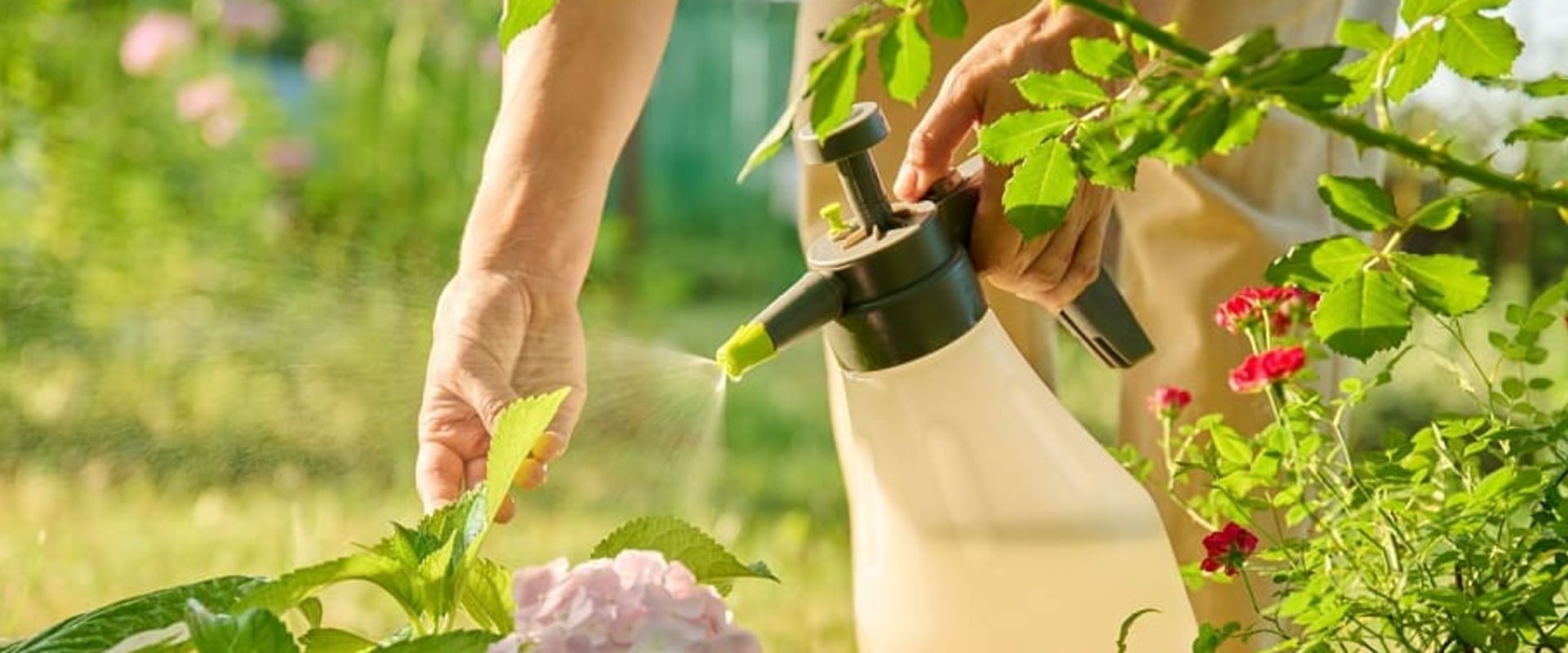
In the quest for a vibrant and thriving garden, many homeowners are discovering the benefits of natural pest deterrentsnatural pest deterrents. The beauty of a landscape can be easily marred by the presence of unwelcome insects and critters, but instead of reaching for harsh chemicals that can harm the environment, there are effective and eco-friendly alternatives at your disposal.
Natural solutions for pest control
not only protect your plants but also contribute to a healthier ecosystem. Imagine walking through your garden, surrounded by lush greenery and vibrant blooms, all while knowing you are using methods that are safe for your family, pets, and the planet. By harnessing the power of nature, you can create a harmonious balance in your landscape that deters pests without compromising its beauty. In this article, we will explore various natural pest deterrents that can be easily incorporated into your gardening routine.From companion planting to homemade sprays, you'll learn how to take control of pest management in an effective and sustainable way. Join us as we delve into the world of From companion planting to homemade sprays, you'll learn how to take control of pest management in an effective and sustainable way. Join us as we delve into the world of natural solutions for pest control, ensuring your garden remains a flourishing sanctuary for years to come. Maintaining a healthy garden while managing pests naturally is essential for any passionate gardener. Utilizing natural pest deterrents not only helps protect the environment but also ensures the safety of pets and children who may play in the area. Many gardeners face challenges related to pests, from aphids to caterpillars, which can threaten the vitality of plants.
Fortunately, understanding various categories of natural pest deterrents can empower gardeners to tackle these issues effectively. One effective category of natural pest deterrents includes physical barriers. These barriers can help prevent pests from reaching plants without the need for harmful chemicals. For example, using floating row covers can protect young seedlings from insects while allowing sunlight and moisture to penetrate. Similarly, installing copper tape around raised beds can deter slugs and snails, as they experience a mild electric shock when they attempt to cross it.
These methods are straightforward yet highly effective in safeguarding delicate crops. Another powerful approach is introducing beneficial insects into the garden ecosystem. Ladybugs are well-known for their appetite for aphids, making them a favorite among organic gardeners. By creating a habitat that attracts these helpful creatures, such as planting dill or fennel, gardeners can naturally reduce pest populations. Additionally, lacewings and parasitic wasps are other beneficial insects that can be introduced to combat more stubborn infestations, providing a balanced approach to pest management.
Companion planting
is another excellent strategy that utilizes the natural relationships between different plants to deter pests.For instance, marigolds are famous for repelling aphids and nematodes due to their strong scent and compounds released into the soil. Planting basil near tomatoes not only enhances flavor but also deters tomato hornworms. Similarly, garlic and chives can keep away a range of pests due to their pungent aroma. By thoughtfully planning plant arrangements, gardeners can create a harmonious ecosystem that works against common pests. Homemade sprays provide yet another avenue for natural pest control. For instance, marigolds are famous for repelling aphids and nematodes due to their strong scent and compounds released into the soil. Planting basil near tomatoes not only enhances flavor but also deters tomato hornworms. Similarly, garlic and chives can keep away a range of pests due to their pungent aroma. By thoughtfully planning plant arrangements, gardeners can create a harmonious ecosystem that works against common pests. Homemade sprays provide yet another avenue for natural pest control.
A popular option is neem oil, derived from the seeds of the neem tree, which is effective against a variety of pests including spider mites and whiteflies. When diluted with water and a few drops of dish soap, it creates an effective spray that disrupts the life cycle of pests while being safe for beneficial insects when applied correctly. Another effective spray can be made by mixing water with crushed garlic or hot peppers, which naturally deters many insects due to their strong scents and tastes. These homemade solutions empower DIY enthusiasts to take control of their gardens without resorting to synthetic pesticides. Despite the numerous advantages of natural pest deterrents, there are common misconceptions that can hinder their effectiveness.
One such myth is that natural solutions take longer to work than chemical options; however, many natural methods can show results within days if applied consistently and correctly. Another misconception is that natural methods are less effective than chemicals; in reality, when used strategically, they can be just as potent while promoting biodiversity in the garden. For those eager to implement these strategies, practical tips include starting small by focusing on one or two methods at a time and observing what works best in their specific environment. Keeping a gardening journal can help track successes and failures, providing valuable insights over time. Joining local gardening groups or forums can also provide access to success stories and testimonials from fellow gardeners who have effectively utilized these methods. While natural pest deterrents are beneficial for many home gardens, there may be instances when seeking professional help is appropriate, especially for larger landscaping projects or severe infestations that require advanced strategies.
Professional landscapers often have access to integrated pest management techniques that combine various approaches for optimal results. In conclusion, embracing natural pest deterrents is not only a sustainable choice but also fosters a vibrant and healthy garden ecosystem.
Beneficial Insects
Beneficial insects play a crucial role in maintaining a balanced ecosystem within your garden. These natural allies help keep pest populations in check, reducing the need for chemical interventions and promoting a healthier landscape. One of the most well-known beneficial insects is the ladybug. Often referred to as ladybird beetles, these charming insects are voracious predators of aphids, mites, and other garden pests.A single ladybug can consume up to 5,000 aphids in its lifetime, making them invaluable for natural pest control. Another important player in the world of beneficial insects is the lacewing. The larvae of lacewings are sometimes called 'aphid lions' due to their insatiable appetite for aphids, thrips, and caterpillars. Introducing lacewings into your garden can significantly reduce pest populations while allowing beneficial insects to thrive. By attracting and encouraging these beneficial insects, you can create a self-sustaining garden ecosystem where pests are naturally kept at bay. Planting nectar-rich flowers such as dill, fennel, and yarrow will entice ladybugs and lacewings to settle in your garden, leading to effective pest management without harmful chemicals.
When to Call in the Professionals
While natural pest deterrents can be highly effective for managing minor pest issues, there are situations where the infestation may be too severe for DIY solutions.It is essential to recognize the signs that indicate it’s time to call in the professionals. First, if you notice a sudden and overwhelming presence of pests that seem to be damaging your plants beyond what natural solutions can handle, this may be a red flag. For instance, if you are dealing with an extensive invasion of insects like aphids or caterpillars, or if you find signs of larger pests, such as rodents or raccoons, professional intervention may be necessary. Another indicator is when the use of natural pest deterrents does not yield results after consistent application. If your efforts are not making a dent in the pest population, it might be time to consult with experts who can provide targeted treatments. Additionally, consider the health of your plants. If they are wilting, discolored, or showing signs of stress that may be linked to pest activity, professionals can help diagnose the problem and recommend appropriate action.
Remember, maintaining a healthy garden is crucial, and sometimes expert assistance is required to ensure your landscape thrives. Lastly, if you have children or pets that could be adversely affected by pest control methods, seeking professional help ensures that safer and more effective strategies are employed without compromising safety.
Companion Planting
Companion planting is a gardening technique that involves planting certain plants in close proximity to one another for mutual benefits. This method can significantly enhance your garden's health and productivity while naturally deterring pests. Some plants have properties that repel harmful insects or attract beneficial ones. For instance, planting marigolds alongside vegetables can deter aphids and nematodes, while their vibrant flowers attract pollinators. Similarly, basil is known to repel mosquitoes and flies, making it an excellent companion for tomatoes. On the other hand, certain plants can work together to enhance each other's growth and resilience.For example, the classic combination of corn, beans, and squash, often referred to as the 'Three Sisters,' provides a mutually beneficial environment where each plant supports the others. The corn provides a structure for beans to climb, the beans fix nitrogen in the soil, and the squash spreads out to suppress weeds. By utilizing companion planting, you can create a more balanced ecosystem in your garden. This not only helps in managing pests naturally but also promotes biodiversity, making your landscape healthier and more resilient.
Physical Barriers
When it comes to managing pests in your garden, physical barriers are one of the most effective and environmentally friendly solutions available. These barriers serve to create a protective shield around your plants, preventing unwanted pests from accessing them while allowing air, light, and moisture to reach the plants.Various options can be utilized depending on the type of pests you’re dealing with and the specific needs of your garden. One popular method is using row covers. These lightweight fabrics can be draped over rows of crops, providing a physical barrier against insects while still permitting sunlight and rain to nourish your plants. They are particularly useful during the early growing season when seedlings are most vulnerable to pests like aphids and beetles.
Nets
are another effective option for protecting fruits and vegetables. By employing fine mesh nets, you can create a protective enclosure around plants that deters birds, squirrels, and other larger pests from feasting on your harvest.These nets can be easily installed over raised beds or individual plants and can be removed or adjusted as needed. In addition to these options, fencing can also be an essential part of your pest management strategy. A well-constructed fence can keep out larger animals such as deer, rabbits, and raccoons. It's important to choose the right height and material; for example, a fence that is at least four to six feet tall may be necessary to deter deer effectively. Overall, incorporating physical barriers into your gardening practices not only safeguards your plants but also aligns with a commitment to natural pest control methods. By investing in these simple yet effective solutions, you can enjoy a thriving garden free from the adverse effects of chemical pesticides.
Homemade Sprays and Remedies
When it comes to managing pests in your garden, homemade sprays and remedies can be a highly effective and eco-friendly solution.Utilizing common household ingredients not only saves money but also ensures that your garden remains safe for your family and pets. Here are a few simple recipes to create your own natural pest deterrents.
1.Soap Spray
: Mix 1 tablespoon of liquid castile soap with 1 quart of water in a spray bottle. Shake well and spray directly onto the affected plants. This solution targets soft-bodied insects like aphids, spider mites, and whiteflies.Be sure to test it on a small area first to ensure your plants are not sensitive to the soap.
2.Garlic Spray
: Blend 2 cloves of garlic with 2 cups of water and let it steep overnight. Strain the mixture and add a few drops of liquid soap before transferring it to a spray bottle. This potent spray is effective against a variety of pests due to the strong odor of garlic, which many insects find repellent.3.Chili Pepper Spray
: Combine 2 tablespoons of chili powder or crushed red pepper with 1 quart of water. Allow the mixture to sit for a day, then strain it into a spray bottle.This spicy concoction can deter pests such as aphids, beetles, and even rabbits.
4.Neem Oil Spray
: Mix 2 teaspoons of neem oil with 1 quart of water and a few drops of dish soap in a spray bottle. Neem oil is derived from the seeds of the neem tree and is effective against many garden pests while being safe for beneficial insects when used properly. Each of these homemade pest deterrents offers a natural way to protect your garden from common pests without resorting to harsh chemicals. Regular application and monitoring will help maintain a healthy balance in your landscape, allowing you to enjoy the beauty of your garden while effectively managing pests. In conclusion, maintaining a healthy garden while managing pests is essential for achieving a vibrant landscape. By utilizing natural pest deterrents, such as physical barriers, beneficial insects, companion planting, and homemade sprays, gardeners can effectively tackle common pest challenges without resorting to harmful chemicals.These eco-friendly approaches not only protect the environment but also ensure the safety of pets and children. As we've discussed, each method has its own unique benefits and applications, making it crucial for gardeners to experiment with different strategies to identify what works best for their specific needs. Whether you are dealing with aphids, slugs, or other unwanted visitors, embracing natural solutions can lead to a healthier garden ecosystem and a more enjoyable gardening experience. So, take the plunge and explore the world of natural pest deterrents. Your landscape will thank you!.


