Practical field notes
Maximizing Space with Design in Landscaping
Explore creative landscaping solutions to optimize your outdoor areas, with tips on plant selection, hardscaping, and eco-friendly practices.
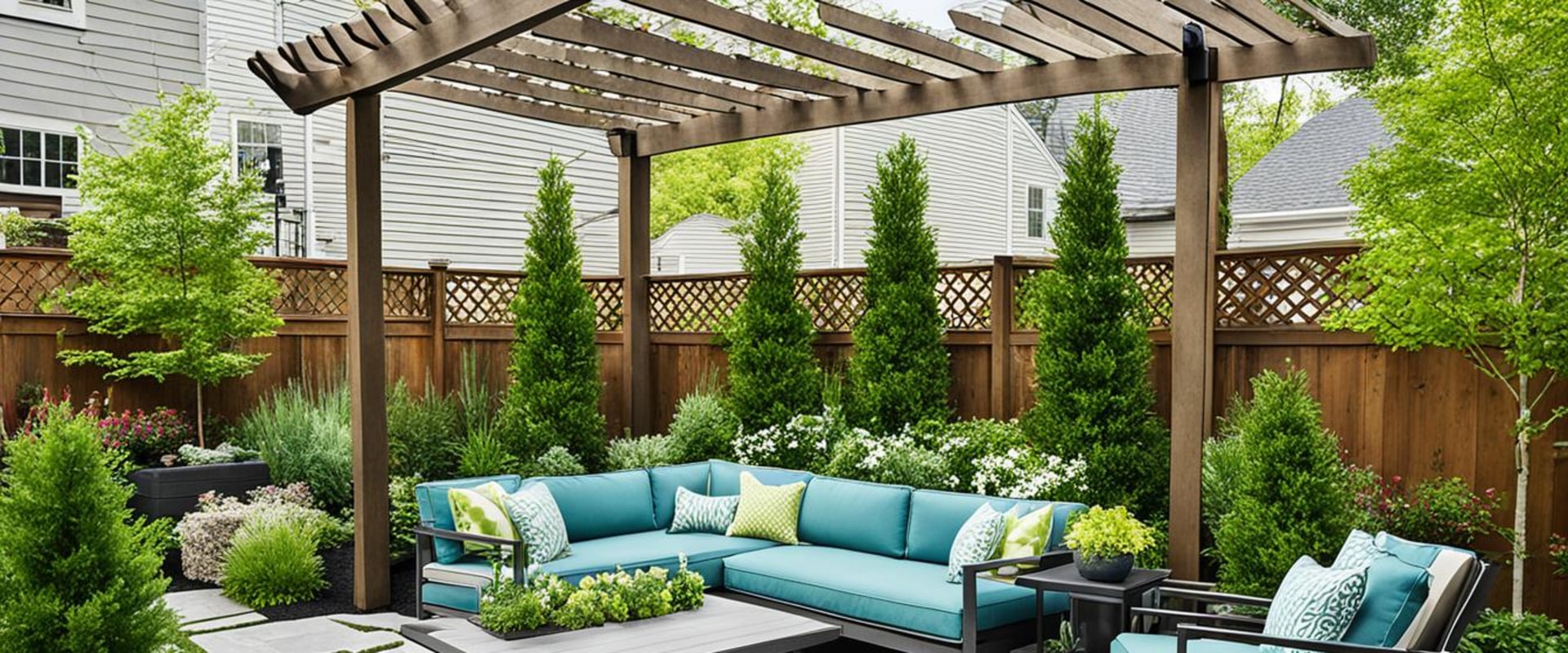
In today's fast-paced world, where urban living often comes with limited outdoor space, the art of maximizing space with design has never been more critical. Whether you have a cozy balcony, a petite garden, or a small yard, the way you utilize your landscape can transform your environment into a lush sanctuary that feels expansive and inviting. Imagine stepping out into a beautifully curated outdoor area that not only serves as a functional space but also enhances your home's overall aesthetic. Landscaping is more than just planting flowers and trimming hedges; it is about creating harmony between nature and design. By cleverly arranging elements, choosing the right plants, and incorporating innovative features, even the smallest spaces can bloom into vibrant retreats.
In this article, we will explore various techniques and ideas that focus on maximizing space with design in landscaping, ensuring that every inch of your outdoor area is utilized effectively. Join us as we delve into practical tips and creative suggestions that will inspire you to reimagine your small space. From vertical gardens to multi-functional furniture and strategic planting, discover how thoughtful landscaping can elevate your outdoor experience while making a bold statement. Whether you're a seasoned gardener or a novice looking to spruce up your surroundings, this guide will provide you with the insights needed to maximize your landscape potential. When it comes to maximizing space with design, particularly in landscaping, the challenges posed by limited outdoor areas can often feel daunting. However, with thoughtful planning and innovative strategies, small spaces can be transformed into beautiful and functional landscapes.
One of the first steps in this journey is to recognize that every square foot counts, and a well-designed space can enhance both usability and aesthetics. One effective strategy for maximizing space in landscaping is vertical gardening. This technique utilizes height to create lush, green walls that not only save ground space but also add depth and visual interest. For example, wall planters can be installed along fences or walls, allowing for an array of flowers and herbs to flourish without occupying precious ground area. Similarly, trellises can support climbing plants such as beans or flowering vines, creating a vibrant backdrop while freeing up floor space for other uses.
These vertical solutions not only beautify small gardens but also encourage gardeners to think upwards, redefining the concept of garden space. In addition to vertical gardening, selecting the right plants is crucial when dealing with limited outdoor space. Opting for native and low-maintenance species can significantly contribute to a vibrant landscape without overwhelming the area. Native plants are adapted to the local environment, requiring less water and care while attracting beneficial wildlife like pollinators. For instance, planting a mix of ornamental grasses and flowering perennials can create a visually appealing yet low-maintenance garden that thrives with minimal intervention.
This approach allows gardeners to enjoy the beauty of nature without the stress of constant upkeep. Hardscaping options also play a vital role in maximizing space with design. Multi-functional patios can serve as outdoor living areas, dining spaces, or relaxation zones while being designed to fit snugly into tight corners or small backyards. Walkways made from permeable pavers not only guide visitors through the landscape but also provide drainage benefits, making them an eco-friendly choice. Raised beds can be another excellent solution; they provide structure and organization while allowing for easy access to plants without bending down too far.
By incorporating these hardscaping elements, homeowners can create a cohesive and functional outdoor environment. Eco-friendly practices should not be overlooked when considering landscaping in small spaces. Techniques like rain gardens can help manage stormwater runoff while adding beauty to the landscape. These gardens utilize native plants that thrive in wet conditions, creating a sustainable option that enhances both aesthetics and functionality. Similarly, using permeable materials for patios and walkways reduces water runoff and promotes groundwater recharge.
By prioritizing sustainability in their designs, homeowners not only improve their landscapes but also contribute positively to the environment. To make these strategies more relatable, consider the story of a family living in a quaint urban home with a modest backyard. Faced with the challenge of limited space, they implemented vertical gardening by installing wall planters filled with colorful herbs and flowers, creating a lush green wall that became the focal point of their outdoor area. They chose native plants for their raised beds, which flourished with minimal care while attracting bees and butterflies. A multi-functional patio served as their outdoor dining area during summer nights, showcasing how thoughtful design transformed their small space into an inviting retreat. Despite these solutions, some may hold misconceptions about small space landscaping being limiting or challenging. By prioritizing sustainability in their designs, homeowners not only improve their landscapes but also contribute positively to the environment. To make these strategies more relatable, consider the story of a family living in a quaint urban home with a modest backyard. Faced with the challenge of limited space, they implemented vertical gardening by installing wall planters filled with colorful herbs and flowers, creating a lush green wall that became the focal point of their outdoor area. They chose native plants for their raised beds, which flourished with minimal care while attracting bees and butterflies. A multi-functional patio served as their outdoor dining area during summer nights, showcasing how thoughtful design transformed their small space into an inviting retreat. Despite these solutions, some may hold misconceptions about small space landscaping being limiting or challenging.
On the contrary, these challenges can spur creativity and ingenuity in design. With the right strategies in place, small spaces can be just as rewarding as larger ones—if not more so. By embracing vertical gardening, selecting appropriate plants, implementing hardscaping solutions, and focusing on eco-friendly practices, homeowners can create beautiful landscapes that optimize every inch of their outdoor spaces.
Selecting the Right Plants
When it comes to maximizing space with design in landscaping, selecting the right plants is crucial for achieving a harmonious and functional outdoor area. In small spaces, overcrowding can quickly diminish the aesthetic appeal and usability of your landscape.Therefore, careful consideration of plant choices is essential. Start by choosing plants that are naturally smaller in size or have a compact growth habit. Varieties such as dwarf shrubs, ground covers, and ornamental grasses can provide visual interest without overwhelming your limited area. Additionally, consider vertical gardening options like climbing plants or wall-mounted planters that can help utilize vertical space effectively. Another important factor is the growth rate of the plants. Opt for slow-growing species to minimize maintenance and ensure that your landscape remains tidy over time.
Native plants are also an excellent choice, as they tend to thrive in local conditions with less need for water and care. It’s also wise to think about the seasonal interest that different plants can provide. Incorporating a mix of evergreens, flowering plants, and seasonal bloomers can create a dynamic and engaging landscape throughout the year, enhancing your outdoor enjoyment. Finally, always consider the overall theme and color palette of your landscaping design. Selecting plants that complement each other in terms of color and texture will create a cohesive look, making your small space feel more inviting and well thought out.
Smart Hardscaping Solutions
In small yards, hardscaping plays a crucial role in maximizing space and functionality. By incorporating features like patios and walkways, homeowners can create inviting areas that serve multiple purposes.For instance, a well-designed patio can act as an outdoor living room, providing a cozy spot for relaxation or entertaining guests. When choosing materials for your patio, consider options that complement your landscape while also being durable and low maintenance. Walkways are another essential component of smart hardscaping. They not only facilitate movement through the garden but can also define different areas within the yard. A winding pathway can create a sense of exploration, leading visitors from one charming feature to another.
Additionally, using permeable materials for walkways can help manage rainwater runoff, enhancing the ecological aspect of your small space. Moreover, incorporating built-in seating around your patio area can maximize usability without taking up additional ground space. This approach allows for more people to gather comfortably while keeping the area organized and spacious. Consider adding benches or even a fire pit that doubles as seating to enhance the functionality of your outdoor area. Ultimately, integrating smart hardscaping solutions in small yards transforms limited spaces into vibrant, usable areas that elevate the overall outdoor experience. By combining aesthetic appeal with practicality, homeowners can enjoy their landscapes to the fullest while adding value to their property.
Incorporating Eco-Friendly Practices
When it comes to maximizing space with design, incorporating eco-friendly practices not only enhances the aesthetics of your outdoor area but also contributes positively to the environment.Sustainable landscaping options can help you create a beautiful outdoor space while minimizing your ecological footprint. One effective method is to use native plants in your garden. Native plants are adapted to local climates and soils, requiring less water and maintenance than non-native species. This selection not only saves space but also fosters local wildlife, making your garden a vibrant ecosystem. Another way to maximize space sustainably is by implementing vertical gardening techniques. By utilizing walls, fences, and trellises, you can grow a variety of plants without occupying precious ground space.
This approach is especially useful in small areas where horizontal space is limited. Additionally, consider incorporating permeable paving for walkways and patios. This allows rainwater to seep through, reducing runoff and promoting groundwater recharge. Not only does this practice maximize your outdoor area’s usability, but it also supports responsible water management. Finally, implementing a rainwater harvesting system can enhance your landscaping's sustainability. Collecting rainwater for irrigation helps conserve water resources while ensuring your plants receive the moisture they need to thrive, making your small space both functional and eco-friendly.
Creative Vertical Gardening Techniques
When dealing with limited outdoor space, one of the most effective solutions is to embrace vertical gardening.This innovative approach allows you to make the most of your available area by utilizing the vertical dimensions of your landscape. With a variety of techniques and structures, you can transform bare walls, fences, and even small balconies into lush, green spaces. One popular method is to incorporate planters that can be hung or mounted on walls. These planters come in various shapes and sizes, allowing you to choose ones that fit your style and space. By arranging them strategically, you can create an eye-catching display that not only saves space but also adds depth and texture to your outdoor area. Another excellent option is the use of trellises.
These structures provide support for climbing plants such as vines, which can create beautiful vertical layers in your garden. A well-placed trellis can act as a focal point while also providing privacy and shade. Consider using trellises to create an enchanting entryway or to delineate different areas within your small yard. For those looking for a more integrated solution, wall gardens offer a unique way to bring greenery into your outdoor space. These gardens consist of plants that are grown on vertical panels or living walls.
Not only do they maximize your gardening space, but they also improve air quality and enhance the overall aesthetic of your area. Wall gardens can be designed with a variety of plants, including herbs, flowers, and even vegetables, making them both functional and visually appealing. Incorporating these creative vertical gardening techniques into your landscaping design will not only optimize your small space but also enhance its beauty and usability. Whether you are a DIY enthusiast or seeking professional help, there are countless options available to help you create your perfect vertical garden. In conclusion, maximizing space with design is a powerful way to transform limited outdoor areas into vibrant and functional landscapes. By implementing creative solutions like vertical gardening, selecting the right plants, and incorporating smart hardscaping options, you can significantly enhance both the usability and aesthetics of your outdoor environment.
Thoughtful landscaping design not only optimizes small spaces but also contributes to increased home value and greater enjoyment of your living areas. We encourage you to take action and start experimenting with your own outdoor spaces. Whether you choose to embark on DIY projects or seek the expertise of professionals, remember that every small change can lead to a significant transformation. Embrace your creativity and explore innovative ideas that will enhance your living environment, making it a true reflection of your personal style.


