Practical field notes
Understanding the Impact of Color in Landscaping
Discover how color theory can transform your landscaping projects, offering inspiration, practical tips, and eco-friendly practices for beautiful outdoor spaces.
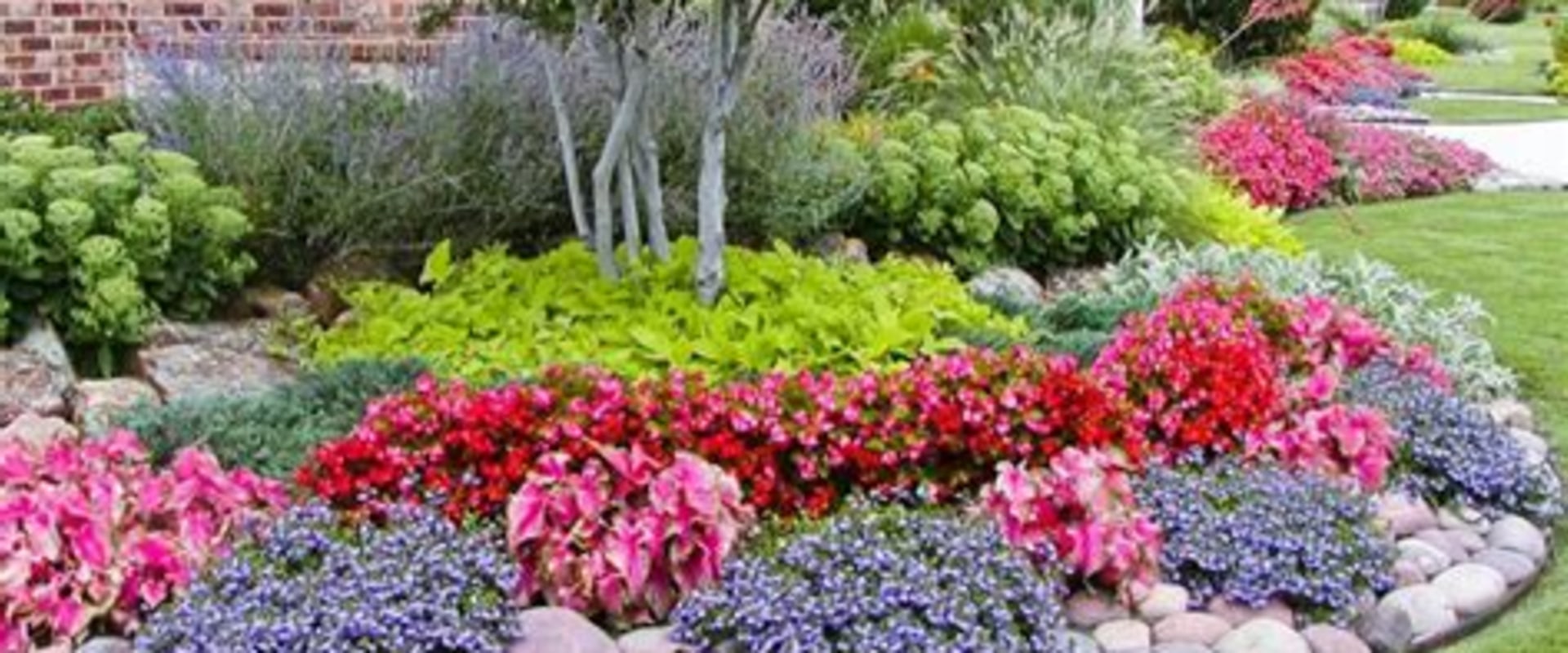
When it comes to landscaping, one of the most captivating yet often overlooked elements is the use of color. Color theory in landscaping is not merely about choosing plants that look good together; it encompasses the psychological effects of colors, their seasonal variations, and how they interact with the surrounding environment. Whether you're a seasoned landscape designer or a homeowner looking to enhance your garden, understanding the impact of color can transform your outdoor space into a harmonious and inviting haven. Imagine stepping into a garden filled with vibrant flowers, lush greenery, and thoughtful design choices that reflect your personal style. The right color palette can evoke emotions, highlight features, and create focal points that draw the eye.
As we delve deeper into the principles of color theory, you will discover how different hues can influence mood, create balance, and ultimately elevate your landscape design to new heights. In this article, we will explore the fundamental concepts of color theory as it applies to landscaping, providing you with insights and practical tips to incorporate these principles into your own outdoor projects. From understanding warm versus cool colors to learning how to create visual harmony, our journey through the spectrum of color will equip you with the knowledge needed to make informed decisions in your landscape design. So, whether you are planning a new garden or revitalizing an existing space, prepare to unlock the potential of color and discover how it can enhance not only the beauty but also the functionality of your landscape. Join us as we embark on this colorful exploration that promises to inspire creativity and bring your landscaping visions to life.
Color theory in landscaping
is a fundamental aspect that can significantly influence the aesthetic and emotional impact of outdoor spaces. Understanding color theory involves recognizing how different colors interact with each other and how they can be used to create harmonious designs.The color wheel serves as a vital tool in this regard, illustrating the relationships between colors. It consists of primary colors (red, blue, yellow), secondary colors (green, orange, purple), and tertiary colors (like red-orange or blue-green). Each color can evoke different feelings and responses, making it essential to consider these aspects when selecting plants and hardscaping materials. In landscaping, the application of the color wheel can be seen in plant selection and hardscaping design. For example, using complementary colors—those located opposite each other on the color wheel—such as purple and yellow can create vibrant contrasts that draw attention to specific areas of the garden.
Analogous colors, which sit next to each other on the wheel, like blue, blue-green, and green, can provide a more soothing effect and are ideal for creating tranquil spaces. When designing flower beds, combining colors like bright reds and oranges with softer pinks and whites can deliver an energetic yet balanced look that enhances the overall beauty of the landscape. When considering trees and shrubs, it's important to think about their seasonal color changes. Many deciduous trees offer stunning fall foliage in shades of red, orange, and gold, while evergreens provide consistent greenery throughout the year. The interplay of seasonal changes can create a dynamic landscape that evolves over time, adding layers of interest and depth to your outdoor space.
For instance, planting early-blooming flowers such as tulips alongside late-blooming asters ensures that your garden remains colorful from spring through fall. For DIY enthusiasts looking to implement color schemes, practical tips are essential. Start by observing your space throughout different times of the day; natural light can drastically change how colors appear. Consider creating color palettes before purchasing plants by using swatches or photographs to visualize how different plants will work together. Additionally, think about textures and forms alongside colors; combining smooth leaves with spiky foliage can enhance visual interest.
When selecting hardscaping materials like stones or pavers, ensure that their colors complement your plant selections and overall theme. If you are considering a larger project or feel overwhelmed by the intricacies of color theory in landscaping, hiring a professional landscape designer may be beneficial. A designer can offer expert advice on color combinations that are not only visually appealing but also sustainable and suited for your local environment. They will consider factors such as light exposure, soil types, and climate when recommending plants that thrive in your area. An emphasis on eco-friendly practices is vital when selecting colored plants or materials. Opting for native plants not only promotes biodiversity but also ensures that your landscape requires less maintenance and water.
Native plants often have natural resistance to local pests and diseases, reducing the need for chemical interventions that can harm the environment. While personal preferences play a significant role in landscaping decisions, it is important to balance these with established design principles. Disagreements may arise about color choices—what one person sees as vibrant and cheerful, another might consider too bold or overwhelming. Therefore, open communication about preferences while being informed about color theory can lead to more satisfying outcomes for everyone involved. Ultimately, understanding color theory in landscaping allows homeowners and designers alike to create spaces that are not only visually stunning but also emotionally resonant. By thoughtfully selecting colors that enhance the architecture of homes and harmonize with the surrounding environment, we can cultivate outdoor areas that reflect personal style while promoting well-being and connection with nature.
Hiring Professionals: What to Look For
When seeking professional landscaping services that incorporate color theory, it is essential to consider several factors to ensure that your outdoor space reflects the desired aesthetic and emotional impact.First, look for landscapers who possess a solid understanding of color theory and its application in landscaping. They should be able to explain how different colors can evoke specific moods and enhance the overall atmosphere of your garden or yard. Additionally, inquire about their experience in selecting plants and materials that not only adhere to color principles but also complement the architecture of your home and the surrounding environment. A knowledgeable professional will create a cohesive look that harmonizes with your existing structures. It is also beneficial to review their portfolio to see past projects that showcase their use of color in landscaping. This will give you insight into their style and ability to implement color theory effectively.
Finally, consider requesting references or testimonials from previous clients to gauge their satisfaction with the professional's work regarding color selection and overall design.
Eco-Friendly Color Choices in Landscaping
When considering color in landscaping, it is essential to focus on sustainable options that enhance the beauty of outdoor spaces while being mindful of the environment. By selecting plants and materials that are both vibrant and eco-friendly, landscapers can create visually appealing designs without compromising ecological integrity. One way to incorporate color sustainably is by choosing native plants. Native species are adapted to local climates and soil conditions, making them easier to maintain and less reliant on water and chemical fertilizers. These plants often exhibit a variety of colors throughout the seasons, providing an ever-changing palette that enhances the landscape. Additionally, utilizing organic mulch or natural stone can add color to garden beds while providing environmental benefits.Organic mulches not only help retain soil moisture and suppress weeds but also break down over time, enriching the soil. Natural stones come in various hues and textures, allowing for creative design choices that complement the surrounding environment. Another approach is incorporating recycled materials into landscaping designs. For example, repurposed bricks or glass can be used to create colorful pathways or decorative features. This not only adds a unique touch to the landscape but also reduces waste and encourages sustainability. Finally, consider planting flowering species that attract pollinators.
These plants not only add beautiful colors to the landscape but also support local ecosystems. By fostering biodiversity through thoughtful plant choices, landscapers can create vibrant spaces that are both visually stunning and ecologically beneficial.
Seasonal Considerations for Color in Landscaping
Understanding how seasonal changes affect color perception is crucial for effective landscaping. As the seasons shift, so do the colors that dominate our outdoor spaces.Spring
brings vibrant blooms and fresh greens, while summer can showcase a palette of rich, saturated hues from flowering plants and lush foliage.In contrast, autumn introduces warm tones of oranges, reds, and yellows as leaves change, creating a different emotional landscape. Finally, winter often strips away many colors, leaving behind a more subdued palette dominated by evergreen plants and the stark beauty of bare branches. When planning a landscape design, it is essential to consider how these seasonal shifts will influence the overall aesthetic and mood of the space throughout the year. For example, incorporating a variety of plants that bloom at different times can ensure that your garden remains visually appealing across seasons. Additionally, understanding the seasonal color wheel can help in choosing complementary colors that enhance the beauty of your outdoor areas. Moreover, the architecture of your home and its surroundings should be factored into seasonal color planning.
For instance, warm earthy tones may harmonize beautifully with autumn colors, while cooler shades might be more suitable for a contemporary home set against a lush summer backdrop. The key is to create a cohesive look that not only reflects the changing seasons but also complements the overall design aesthetic of your property. In summary, being mindful of seasonal considerations when selecting colors for landscaping can greatly enhance both the visual appeal and emotional impact of outdoor spaces. By thoughtfully integrating seasonal changes into your landscape design, you can create a dynamic environment that evolves beautifully throughout the year.
The Basics of Color Theory in Landscaping
Color theory is a crucial aspect of landscaping that encompasses the principles and guidelines for using color effectively in outdoor design. Understanding the fundamentals of color theory can help landscape designers create visually appealing spaces that evoke specific emotions and enhance the overall experience of a garden or yard. At its core, color theory involves the color wheel, which categorizes colors into primary, secondary, and tertiary hues.Primary colors—red, blue, and yellow—are the foundation from which all other colors are mixed. Secondary colors, such as green, orange, and purple, are created by combining primary colors. Tertiary colors arise from mixing a primary color with a neighboring secondary color. This basic understanding allows designers to make informed choices about which colors to incorporate into their landscapes. Another essential concept in color theory is the idea of color harmony.
Color harmony refers to the aesthetically pleasing combinations of colors that create balance and visual interest. There are several color schemes that designers can utilize to achieve harmony: complementary colors, which are opposite each other on the color wheel; analogous colors, which are next to each other; and triadic colors, which are evenly spaced around the wheel. Each of these schemes can evoke different feelings and atmospheres in an outdoor space. The impact of color on mood cannot be overlooked. For instance, cool colors like blues and greens tend to create a calm and serene environment, while warm colors such as reds and yellows can energize a space and stimulate activity.
Understanding how different colors influence emotions allows landscape designers to tailor their choices based on the intended use of the space. Finally, it’s important for designers to consider how colors will interact with existing elements in the landscape, including home architecture and surrounding natural features. The right color palette can enhance architectural details and complement natural surroundings, creating a cohesive look that ties the entire landscape together.
Creating Harmony with Color Combinations
When it comes to landscaping, the color combinations you choose can significantly influence the overall aesthetic and emotional resonance of your outdoor space. Understanding different color schemes—such as complementary, analogous, and triadic—can help you create a harmonious environment that enhances both the landscape and your home.Complementary color schemes
involve pairs of colors that are opposite each other on the color wheel. This contrast can create a vibrant look that draws attention to specific areas of your landscape.For example, pairing bright orange flowers with deep blue foliage can create a stunning visual impact, making each color pop. This scheme is particularly effective in creating focal points, such as a vibrant flower bed surrounded by green shrubs.
Analogous color schemes
, on the other hand, consist of colors that are next to each other on the color wheel. This approach tends to produce a more harmonious and serene feel in the landscape. For instance, using a combination of yellow, yellow-green, and green plants can evoke a sense of tranquility and unity, perfect for creating a relaxing garden space.This scheme works well in larger areas where subtle shifts in color can create depth without overwhelming the senses. Lastly, triadic color schemes involve three colors that are evenly spaced around the color wheel. This approach allows for a dynamic yet balanced look. An example in landscaping could be using purple, orange, and green plants together. Each color can be used to highlight different features of your garden or yard, providing visual interest while still maintaining harmony.
Triadic schemes can energize a space, making it feel lively and inviting. By understanding and utilizing these color schemes—complementary, analogous, and triadic—you can effectively enhance your landscaping design. The right combination of colors not only adds beauty but also creates a cohesive look that ties in with your home’s architecture and surrounding environment.
Practical Tips for DIY Landscape Color Design
When embarking on a DIY landscape project, integrating color theory can transform your outdoor space into a harmonious and visually appealing environment. Here are some actionable tips to help you choose plants and hardscaping materials effectively:1.Understand the Color Wheel: Familiarize yourself with the color wheel, which includes primary, secondary, and tertiary colors. Utilize complementary colors (those opposite each other on the wheel) to create vibrant contrasts, or analogous colors (those next to each other) for a more serene look.2.Consider Seasonal Changes:
Choose a variety of plants that provide color throughout different seasons.For example, spring bulbs like tulips and daffodils can offer bright colors, while autumn foliage provides warm tones as leaves change.
3.Create Focal Points:
Use bold colors to draw attention to specific areas in your landscape. A brightly colored flower bed or a striking piece of garden art can serve as a visual anchor in your design.4.Match with Home Architecture:
Select colors that complement the architectural style and color palette of your home. For instance, if you have a modern home with neutral tones, consider using plants with vibrant foliage or colorful hardscaping materials to add contrast.5.Use Hardscaping Wisely:
Incorporate hardscaping materials such as stones, pavers, and decking in colors that enhance your overall design. Darker materials can ground the landscape, while lighter tones can make spaces feel more open and inviting.6.Pay Attention to Plant Textures:
Different textures can influence how colors are perceived.Combine smooth-leaved plants with those that have a more coarse texture to create visual interest and enhance color contrasts.
7.Test Colors in Your Space:
Before committing to specific plants or materials, test their colors in your landscape. Observe how they look at different times of day and in varying lighting conditions to ensure they achieve the desired effect. By applying these color theory principles to your DIY landscaping project, you can create a beautiful outdoor space that not only enhances your home but also evokes the right moods and emotions. In conclusion, understanding color theory in landscaping is essential for creating outdoor spaces that not only look beautiful but also evoke the desired emotions and sensations. Throughout this article, we have explored the basics of color theory, the significance of color combinations, and how seasonal variations can impact our choices. By implementing practical tips for DIY landscape design and being mindful of eco-friendly options, anyone can enhance their outdoor environments. Whether you are a DIY enthusiast or collaborating with professionals, we encourage you to experiment with color palettes that resonate with your personal style while complementing your home architecture and surrounding nature.Thoughtful use of color can truly transform your landscape, elevating its beauty and functionality.


