Practical field notes
Creative Flower Bed Designs for Your Outdoor Oasis
Discover inspiring flower bed designs, practical tips for maintenance, and eco-friendly landscaping practices to enhance your outdoor space.
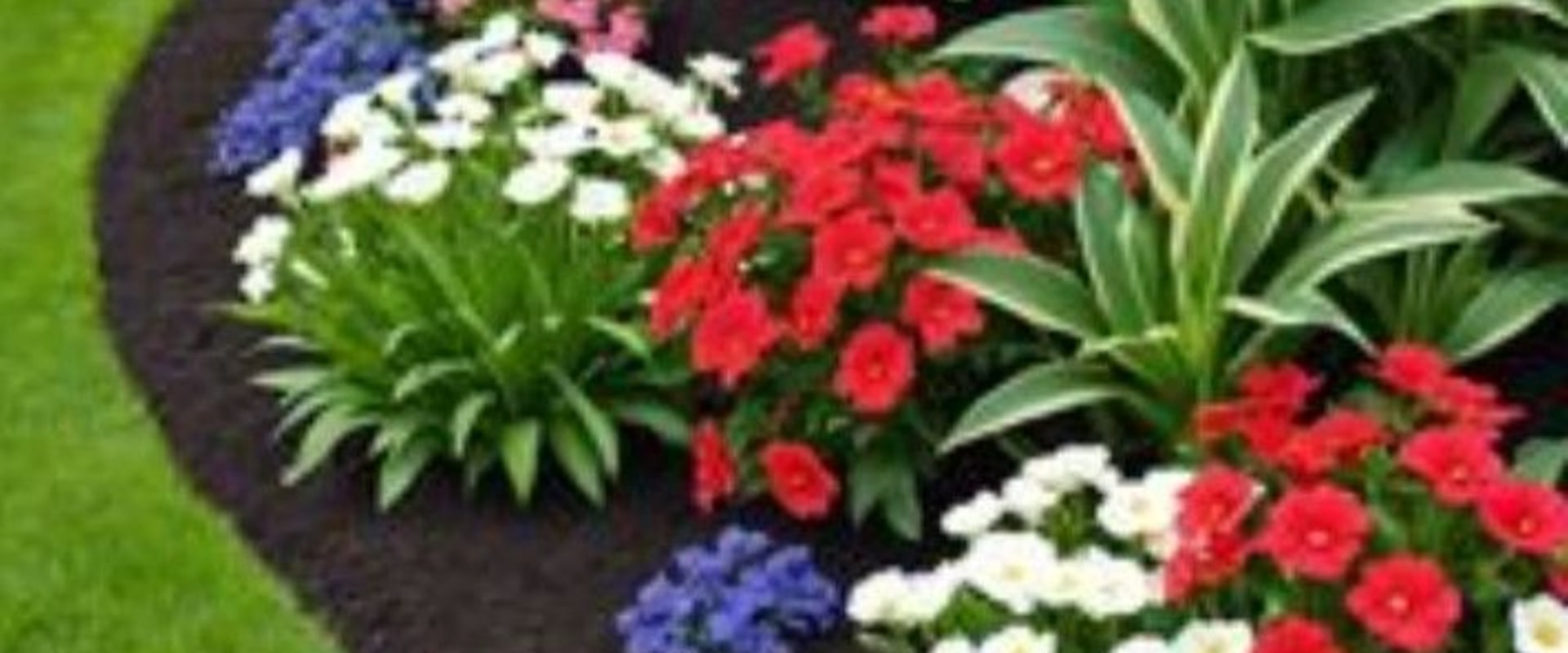
Transforming your outdoor space into a stunning oasis starts with one of the most eye-catching elements in landscaping: flower bed designs. Whether you have a sprawling backyard or a quaint front yard, incorporating beautiful flower beds can not only enhance the aesthetic appeal of your home but also create a vibrant atmosphere that invites relaxation and joy. In this article, we will explore an array of creative and inspiring flower bed designs that will help you cultivate your own personal paradise right outside your door. Imagine stepping into your garden and being greeted by a burst of colors, fragrances, and textures, all harmoniously arranged to showcase nature's beauty. From classic cottage gardens bursting with seasonal blooms to sleek modern designs featuring minimalist layouts, there is a flower bed design for every style and preference.
No matter if you're an experienced gardener or just starting out, these designs will spark your imagination and provide you with the inspiration needed to elevate your landscaping game. Join us as we delve into the world of flower bed designs, exploring innovative layouts, plant combinations, and maintenance tips that will help you create a stunning outdoor oasis. Get ready to unleash your creativity and bring your garden dreams to life!Flower bed designs play a crucial role in enhancing the beauty and functionality of outdoor spaces. They can serve as stunning focal points that draw the eye and create a sense of harmony in your landscape. When considering flower bed designs, it’s essential to explore various styles, each offering unique characteristics that can complement your home and garden. Starting with different styles, we have the formal flower bed design, which is characterized by geometric shapes and symmetrical patterns.
This style often includes neatly trimmed hedges and carefully arranged plants, making it ideal for traditional homes. In contrast, informal designs are more relaxed and organic, featuring curved lines and an eclectic mix of plants. This approach is perfect for creating a naturalistic feel in gardens, particularly those that aim to mimic nature. The cottage style is another popular choice, known for its charm and abundance of colorful flowers. It often incorporates a variety of blooms that create a whimsical atmosphere, making it suitable for cozy homes.
On the other hand, contemporary flower bed designs focus on minimalism and clean lines, often utilizing a limited palette of plants and hardscaping elements to create a sleek look that complements modern architecture. When selecting a design for your flower bed, it’s vital to consider the architecture of your home. The style should harmonize with your house to create a cohesive look. For instance, a modern home may benefit from sleek lines and a monochromatic color scheme, while a traditional house might look best with lush, colorful arrangements typical of cottage gardens.Plant selection is another critical aspect of successful On the other hand, contemporary flower bed designs focus on minimalism and clean lines, often utilizing a limited palette of plants and hardscaping elements to create a sleek look that complements modern architecture. When selecting a design for your flower bed, it’s vital to consider the architecture of your home. The style should harmonize with your house to create a cohesive look. For instance, a modern home may benefit from sleek lines and a monochromatic color scheme, while a traditional house might look best with lush, colorful arrangements typical of cottage gardens. Plant selection is another critical aspect of successful flower bed designs. Factors such as climate and soil type should guide your choices to ensure that the plants thrive in their environment.
It's important to select plants that not only flourish in your local conditions but also complement one another in terms of color and texture. For example, pairing vibrant annuals with the soft foliage of perennials can create a visually appealing contrast that enhances the overall design. Practical maintenance tips are essential for keeping your flower beds looking their best throughout the seasons. Regular watering is key, especially during dry spells; however, it's crucial to avoid overwatering as this can lead to root rot. Pruning is another important task that helps promote healthy growth and blooms.
Additionally, seasonal care—such as mulching in spring to retain moisture or cutting back perennials in fall—ensures that your flower beds remain vibrant year after year. Incorporating hardscaping features can significantly enhance your flower bed designs. Edging materials like bricks or natural stone can define the space and prevent grass encroachment. Pathways made from gravel or stepping stones provide access while adding visual interest. Decorative stones can also be integrated into flower beds to create texture and contrast with the plants. Moreover, adopting eco-friendly practices will not only benefit your garden but also contribute positively to the environment.
Using native plants is an excellent way to ensure that you are selecting flora that is well-adapted to your local ecosystem, requiring less water and maintenance. Composting organic matter enriches the soil naturally, promoting healthy plant growth without chemical fertilizers. Minimizing water use through drip irrigation systems or rainwater collection further supports sustainable gardening practices. To inspire readers, consider showcasing examples of successful flower bed designs that have transformed ordinary gardens into extraordinary outdoor oases. These examples can highlight various styles and plant combinations while addressing potential challenges such as shade conditions or poor soil quality.
By learning from these success stories, gardeners can approach their projects with confidence and creativity. In conclusion, flower bed designs are an essential component of landscaping that can greatly enhance outdoor spaces. By understanding different styles, carefully selecting plants, incorporating hardscaping features, and embracing eco-friendly practices, anyone can create stunning flower beds that bring beauty and functionality to their gardens.
Incorporating Hardscaping Elements
Integrating hardscaping elements into your flower bed designs can significantly enhance their aesthetics and functionality.Hardscaping
refers to the non-plant elements in landscaping, such as stone pathways, patios, walls, and decorative features. These materials provide structure and contrast to the soft textures of flowers and foliage, creating a balanced and visually appealing outdoor space. For instance, using natural stone or brick to create borders around flower beds not only defines the space but also adds a touch of elegance.A well-constructed stone wall can serve as a backdrop for vibrant blooms, making them stand out even more. Additionally, incorporating hardscaping elements like pathways can guide visitors through your garden, allowing them to appreciate the beauty of your floral arrangements up close. Moreover, consider using raised flower beds made from wood or stone. These structures not only elevate the plants for better visibility but also improve drainage and soil quality. Raised beds can be designed in various shapes and sizes, offering versatility in your landscaping design.
Adding features like trellises or arbors can further enhance the visual appeal while providing support for climbing plants. In conclusion, the thoughtful integration of hardscaping elements can transform your flower beds into stunning focal points in your landscape. By combining different materials and designs, you can create a harmonious outdoor oasis that reflects your personal style while enhancing the overall beauty of your yard.
Eco-Friendly Landscaping Practices
Incorporating eco-friendly landscaping practiceseco-friendly landscaping practices into your flower bed designs not only enhances the beauty of your outdoor space but also contributes positively to the environment. By choosing sustainable options, you can create a vibrant garden while minimizing your ecological footprint. One of the first steps in designing an eco-friendly flower bed is selecting native plants. Native species are adapted to the local climate and soil conditions, making them more resilient and requiring less water and maintenance.They also provide essential habitats for local wildlife, including pollinators like bees and butterflies. Another important consideration is the use of organic soil amendments and fertilizers. By opting for compost and natural fertilizers, you can enrich your soil without introducing harmful chemicals that can leach into the environment. This practice promotes a healthier ecosystem both in your garden and beyond. Water conservation is also a key aspect of eco-friendly landscaping. Implementing drip irrigation systems or rain gardens can help manage water usage efficiently.
These methods allow plants to receive adequate moisture while reducing waste, making them a smart choice for sustainable gardening. Finally, consider creating flower beds that promote biodiversity. Mixing different plant varieties not only adds visual interest but also attracts a wider range of beneficial insects and pollinators. By fostering a diverse ecosystem, your garden can become a flourishing sanctuary that supports both plant and animal life. In summary, adopting eco-friendly landscaping practices in your flower bed designs allows you to create a beautiful outdoor oasis while being mindful of the environment. With careful planning and sustainable choices, you can enjoy a stunning garden that contributes to the health of our planet.
Selecting Plants That Thrive
Choosing the right plants for your flower bed is crucial to ensure a vibrant and thriving outdoor space.Flower bed designs can greatly enhance the overall appeal of your landscape, but selecting plants that are well-suited to your regional climate is key to their success. Understanding your local weather patterns, soil type, and sunlight availability will guide you in making informed plant choices. When selecting plants, consider those that are native to your region. Native plants are adapted to the local environment, requiring less water and maintenance while providing essential support to local wildlife. Additionally, they tend to thrive better in your specific climate conditions.
For example, if you live in a warmer climate, drought-resistant plants like succulents or lavender may be ideal choices. Compatibility among plants is also essential when designing your flower bed. Grouping plants with similar water and sunlight requirements can prevent competition for resources and ensure that all your plants flourish. For instance, combining sun-loving perennials such as black-eyed Susans with shade-tolerant ferns can create a balanced and visually appealing arrangement. Moreover, consider the blooming seasons of your chosen plants. Selecting a mix of early, mid, and late bloomers will provide continuous color throughout the growing season, enhancing the aesthetic value of your flower bed designs.
By thoughtfully selecting plants based on their compatibility with each other and their adaptability to your climate, you will create a stunning outdoor oasis that thrives year after year.
Choosing the Right Style for Your Flower Bed
When it comes to creating a stunning outdoor space, selecting the right style for your flower bed is essential. Different styles can dramatically influence the overall aesthetic of your landscape, enhancing its beauty and functionality. Here are some popular flower bed styles to consider:1.Traditional Flower Beds: These are often characterized by their symmetrical layouts and well-defined borders. Traditional flower beds usually feature a mix of perennials and annuals, creating a vibrant display that changes with the seasons.They are perfect for classic garden designs and can be easily integrated into any landscape.
2.Cottage Garden Beds:
Embracing a more relaxed and informal style, cottage garden beds are filled with a diverse range of flowers and plants. They often include wildflowers, herbs, and climbing plants, creating a charming and whimsical look. This style is ideal for those who appreciate a more natural and less structured approach to gardening.3.Raised Flower Beds:
These elevated garden beds offer better drainage and soil quality, making them an excellent choice for growing various flowers. Raised beds can be made from wood, stone, or even concrete, allowing for creative designs that complement your outdoor space.They are particularly beneficial for small yards or urban settings.
4.Contemporary Flower Beds:
For a modern touch, contemporary flower beds focus on clean lines and geometric shapes. This style often features a limited plant palette with bold colors and textures. Incorporating hardscaping elements like gravel or stone can enhance the sleek appearance of contemporary flower beds.5.Xeriscape Flower Beds:
Ideal for regions with low rainfall, xeriscape flower beds prioritize drought-resistant plants and minimal water usage. This style promotes sustainability while still delivering beauty through carefully selected native flowers and succulents. Choosing the right style for your flower bed not only elevates the visual appeal of your outdoor oasis but also ensures that your garden thrives in harmony with its environment.Consider your personal aesthetic preferences, the climate in your area, and the maintenance level you are willing to commit to when selecting the perfect flower bed design.
Maintaining Your Flower Beds
To ensure your flower beds remain vibrant and healthy, regular maintenance is essential.Maintaining your flower beds
involves several key practices that will enhance the longevity and beauty of your plants. First, consistent watering is crucial. Most flowering plants prefer soil that is moist but not waterlogged. Water deeply but infrequently to encourage deep root growth.Early mornings are the best time to water, as this allows plants to absorb moisture before the heat of the day evaporates it. Next, consider applying a layer of mulch around your flowers. Mulch helps retain soil moisture, suppress weeds, and regulate soil temperature. Organic mulches, such as shredded bark or wood chips, can also break down over time, enriching the soil with nutrients. Weed control is another vital aspect of maintaining your flower beds. Weeds compete with your flowers for nutrients and water.
Regularly check for weeds and remove them by hand or with a hoe. It’s often easier to manage weeds when they are small, so make it a habit to inspect your flower beds weekly. Additionally, deadheading is an important practice for many flowering plants. By removing spent blooms, you encourage new growth and prolong the blooming season. This simple act can significantly enhance the appearance of your flower beds. Lastly, don’t forget about fertilization.
Regular feeding with a balanced fertilizer can help replenish nutrients in the soil. Depending on the plants you have, you may choose slow-release granules or liquid fertilizers. Always follow package directions to avoid over-fertilizing. By following these practical tips for maintaining your flower beds, you can ensure that your outdoor oasis remains a stunning focal point in your landscaping for years to come. In conclusion, we have explored the various facets of flower bed designs and how they can significantly enhance the aesthetic appeal and functionality of your outdoor spaces. By choosing the right style for your flower bed, selecting plants that thrive in your local climate, incorporating hardscaping elements, and maintaining your flower beds effectively, you can create a vibrant and inviting atmosphere.
Furthermore, embracing eco-friendly landscaping practices not only benefits the environment but also adds to the longevity of your garden. Remember, thoughtful design is key to transforming your landscape into a personal oasis. We encourage you to tap into your creativity and consider your unique needs and preferences as you embark on your journey to create stunning flower beds that reflect your style and enhance your outdoor experience.


